What 500 online friends can't replace
The likes arrive but the loneliness stays. Digital connection hits different from the real thing — and the difference isn't a moral failing. It's a human one.
By Trupti Gavit
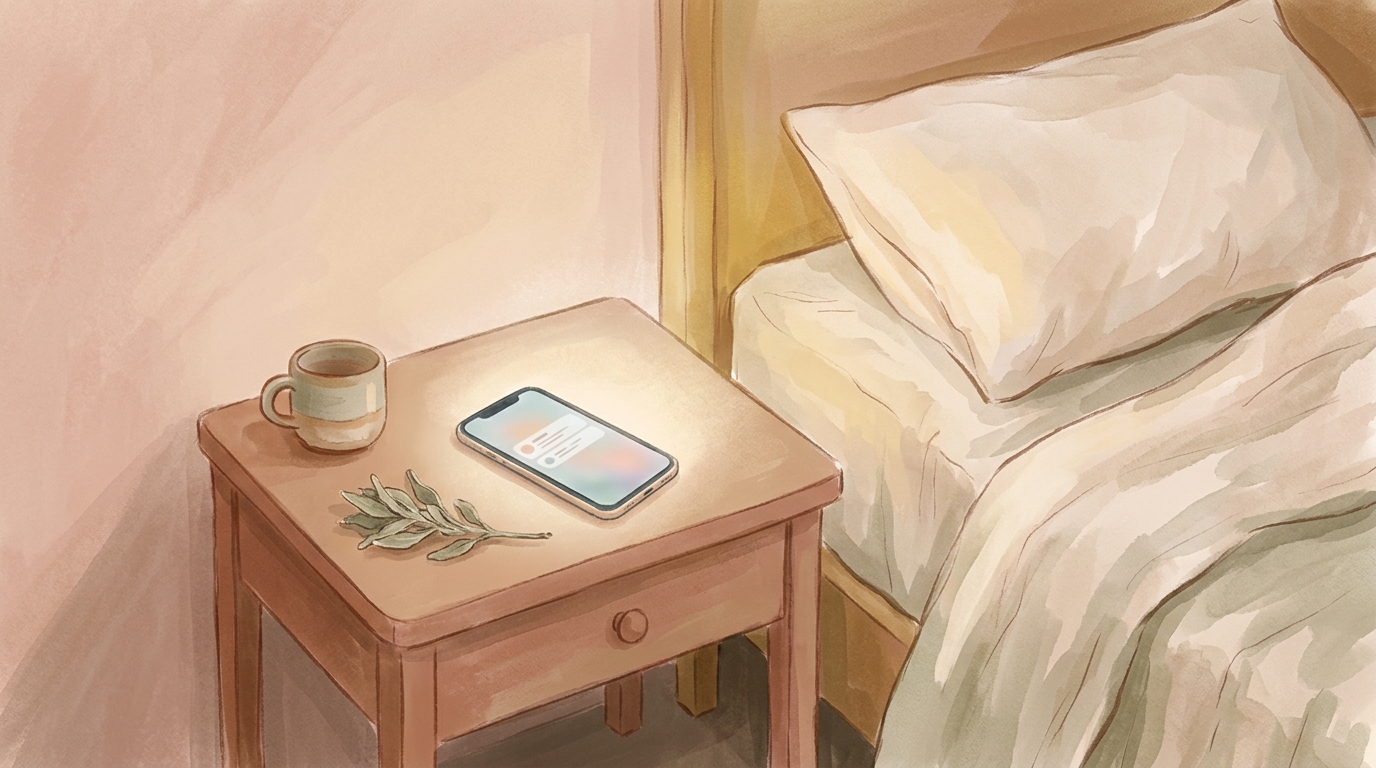
The likes arrive but the loneliness stays. Digital connection hits different from the real thing.
Your notification count is healthy. Your group chats ping through the day. You have followers, mutuals, people who comment on your posts and send heart reactions to your stories. By the metrics of the internet, you are connected — seen, responded to, part of something larger than your own four walls.
And still, when the screen goes dark and the room is quiet, something hasn't been met.
Not because the people online aren't real. Not because the warmth in a good message thread is imaginary. But because there are parts of you that only arrive in the presence of another body — in the particular alchemy of shared air, unhurried time, and the slow accumulation of being known without a screen between you.
The gap between digital connection and the thing you're hungry for isn't a character flaw. It's anatomy.
What the screen gives you
Online connection is not nothing. It can be genuine — sometimes profoundly so.
You find your people in corners of the internet you'd never reach in ordinary life. You exchange messages at two in the morning with someone who understands the specific thing you're going through. You laugh at the same absurd video. You feel less alone with a fear or a joy because someone across the world typed me too and meant it.
For people who are isolated by geography, disability, identity, or the particular shape of their life, online community can be lifeline — real friendship, real support, real love that happens to travel through pixels instead of across a kitchen table.
The screen offers access. It offers frequency. It offers a kind of visibility that doesn't require you to leave the house, get dressed, or risk the vulnerability of showing up in person when you're not sure you have the energy.
Digital connection is real connection. It just doesn't reach every part of you — and noticing the gap isn't ingratitude. It's honesty.
What it can't quite carry
Your body was built for presence.
It reads warmth in tone of voice, not just words. It registers safety in someone's face when you say something hard — the micro-expression that says I'm still here before any reply arrives. It calms in ways that have nothing to do with content: the weight of a hand on your shoulder, the rhythm of someone breathing in the same room, the particular silence of two people who don't need to fill every gap.
A message can say I'm here for you. A person in the room can be here — and your body knows the difference even when your mind insists the words should be enough.
This is why a full notification tray can coexist with loneliness. The likes confirm that you exist in someone's feed. They don't always confirm that you exist in someone's life — in the way that shows up when you're sick, when you're struggling, when you need someone to sit on your couch and not try to solve anything.
500 online friends can celebrate your birthday with emoji and still not know you're having a hard month. They can love your posts and never hear the thing you almost typed and deleted. They can be real, and caring, and genuinely connected to you — and still not replace the one person who would drive across town because you sounded off on the phone.
When the feed fills the wrong hunger
Sometimes you reach for the phone not because you want connection, but because you want the feeling of connection — the quick hit of being responded to, a brief sense that you're not invisible, the temporary quieting of a loneliness that returns when the screen dims.
The scroll can mimic intimacy without requiring vulnerability. You can feel adjacent to other people's lives without risking your own. You can receive warmth in comments without opening the door wide enough for someone to actually enter.

There's nothing shameful in this. Your body is looking for comfort where comfort is available — and the phone is always available, always warm, always ready to offer the illusion of company without asking you to be fully seen.
But the illusion has a cost. The more you feed the hunger with digital warmth, the more the deeper hunger — for presence, for being known in real time, for someone whose attention isn't divided between you and seventeen other tabs — can go unnamed. You might not even notice you're lonely because your phone says you're not alone.
The feed can feel like company. Your body often knows it's a substitute — and the knowing doesn't always stop you from reaching for it when the real thing feels too far away.
This isn't about quitting the internet
You don't have to choose between online and offline as if one is pure and the other is poison.
Many of us need both. The group chat that makes a hard week bearable. The friend you only see twice a year but text daily. The community that exists because someone built it online and you found your people there when the offline world offered nothing comparable.
The question isn't whether digital connection counts. It does. The question is whether it's meeting the hunger you actually have — or whether some part of you is still waiting for something the screen was never designed to deliver.
That might mean one in-person coffee with someone you've only known through messages. It might mean a phone call instead of a thread — hearing a voice, not just reading words. It might mean noticing when you've been online for two hours not because you wanted to be, but because leaving the screen means facing the quiet again.
What presence asks of you
Real presence costs more than a like. It asks for time, for availability, for the willingness to be in the same room when neither of you has anything polished to say.
It also offers more. The conversation that wanders. The silence that isn't empty. The moment someone looks at you and you feel, in your chest, that they see you — not your avatar, not your highlight reel, but the person who is tired and uncertain and still here.
You can't manufacture that through volume. Five hundred acquaintances online don't add up to one person who would sit with you on a bad night. That's not a failure of your online life. It's the nature of depth — it doesn't scale the way followers do.
Holding two truths
You can love your online people — genuinely, fully — and still feel lonely when the screen goes dark.
You can find comfort in the feed — and still want something the feed can't give you, without that want being a rejection of what you have.
Neither truth cancels the other. Both can live in the same evening, the same hand reaching for the phone, the same you who felt met for a moment and still went to bed with something unfinished.
The phone is face-down on the nightstand. The notifications can wait until morning. Outside the window, the night is ordinary and quiet — not empty, not full, just there. You have people who would answer if you called. You might call one of them tomorrow, or you might not. The loneliness and the connection, both real, both yours, sit in the dark together without needing to be resolved before you sleep. The screen gave you what it could. The rest is still waiting — not as punishment, but as something human, and worth wanting slowly.
Related book
Why Love Is So Complicated
Keep reading
- What it means to feel less alone — even by one personYou don't need a crowd. You need one person who stays when things aren't pretty.
- Why the people who get you don't always get you right awayReal belonging takes time. The instant click is rare. The slow build is where trust lives.
- The exhaustion of performing connection without feeling itYou showed up. You smiled. You asked questions. And you drove home feeling emptier than before.