The exhaustion of performing connection without feeling it
You showed up. You smiled. You asked questions. And you drove home feeling emptier than before.
By Trupti Gavit
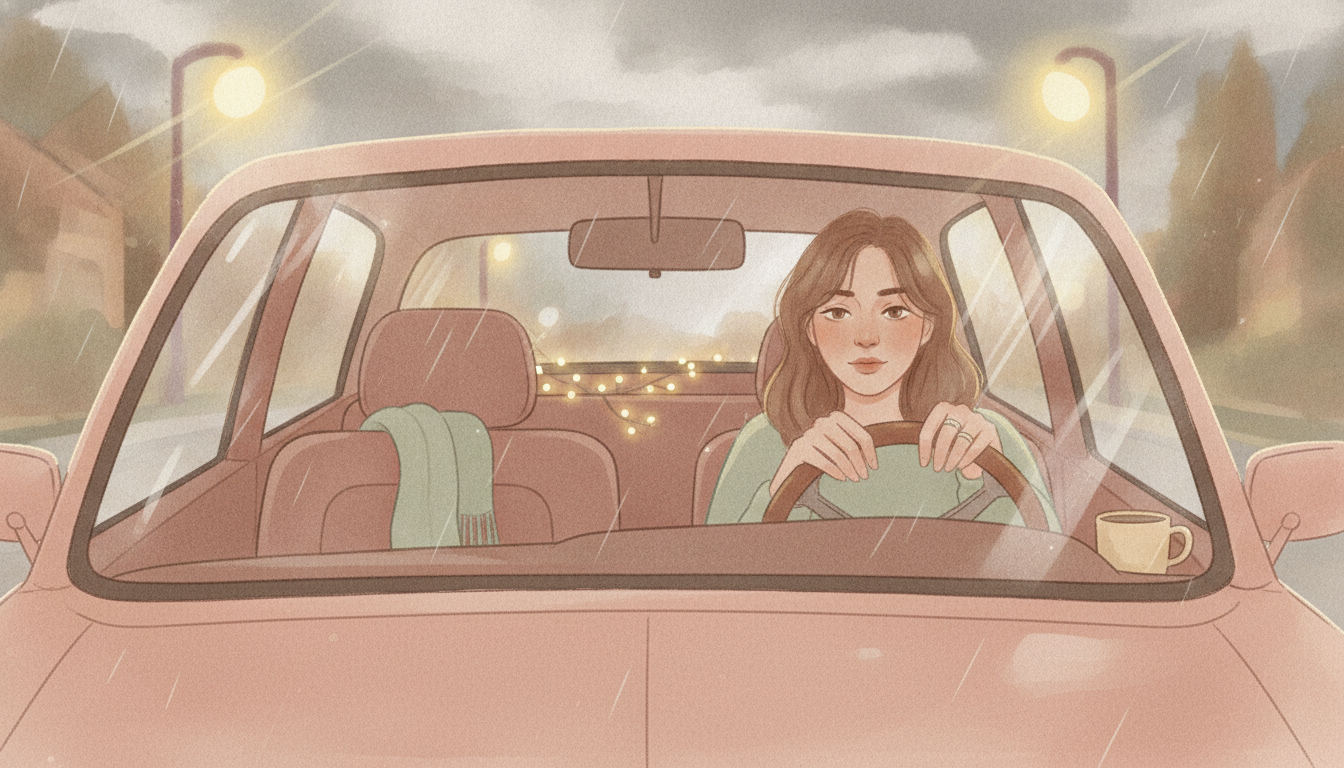
You showed up. You smiled. You asked questions. And you drove home feeling emptier than before.
The evening looked like connection from the outside. You were there — present, engaged, doing all the things a connected person does. You remembered names. You leaned in when someone spoke. You laughed at the right moments and offered the follow-up that kept the conversation moving.
And now you're in the car, or on the train, or walking home in the dark, and something in you is tired in a way that sleep won't quite reach. Not tired from talking. Tired from performing talking. From being the version of yourself that rooms expect — warm, curious, easy — while the part of you that actually wanted to be there never quite arrived.
This isn't ingratitude. It isn't that the people were wrong or the evening was bad. It's something quieter and harder to name: you connected without feeling connected, and your body knows the difference even when the evening looked fine.
When showing up isn't the same as arriving
There's a version of social life that runs on autopilot.
You know the script. Ask about their week. Share something light about yours. Mirror their energy. Keep the tone pleasant. Leave before you've overstayed. Send the follow-up text that says you had a lovely time.
The script works. It gets you invited back. It makes you someone people describe as warm, as a good listener, as easy to be around. From the outside, you look like someone who has connection handled.
Inside, you might feel like an actor who knows their lines but forgot why the scene matters. You said the right things. You were kind. You were present in the way presence is measured — eye contact, nodding, the appropriate pause before responding. And still, when the door closed behind you, something hadn't been fed.
Performing connection isn't the same as faking it. You might genuinely like these people. You might want to be there. And still, the version of you that showed up wasn't the one who needed to be met.
What the performance costs
Connection that runs on performance has a particular exhaustion.
It's not the tiredness of a long conversation with someone you trust — the kind that leaves you softer, more yourself, like you've been returned to something you forgot you were missing. It's the tiredness of holding a shape. Of monitoring your tone. Of offering the edited version of your day because the full version would change the room's temperature, and you've learned what happens when rooms change temperature.
Your body keeps the receipt. Shoulders that stayed slightly raised even while you smiled. A jaw that tightened around sentences you didn't say. The particular flatness that arrives in the car — not sadness exactly, but depletion, as if you spent the evening giving out energy you never received back.
You might scroll when you get home, not because you're relaxed but because the quiet feels too honest. You might replay moments — Did I seem interested enough? Did I talk too much? Was I warm? — not because you're anxious in a dramatic way, but because performing connection requires constant calibration, and calibration is work.
Why you learned to perform
Most of us didn't choose this. We learned it.
Some of us grew up in rooms where warmth came with conditions — be lighter, be easier, don't bring the thing that makes people uncomfortable. Some of us discovered that the edited version of ourselves got invited back, and the unedited version got distance, silence, or the slow fade of someone who stopped calling.
So we became skilled at the performance. Not because we're dishonest. Because the performance kept us included, kept us safe, kept us from the particular loneliness of being fully present and still not being met.
The skill became habit. The habit became default. And now you might not know you're performing until you're alone afterward and the mask loosens — and what's underneath isn't anger or resentment, but a quiet ache. A sense that you showed up, gave what was asked, and still went home hungry.

When the performance becomes the only version
The danger isn't that you perform sometimes. Most of us do — in new rooms, with people we don't know well, in situations where the full version of ourselves wouldn't fit.
The danger is when performing becomes the only way you know how to connect. When every gathering asks the same edited version of you. When you can't remember the last time you said something true without immediately softening it, or the last time someone sat with your honesty without rushing to brighten it.
You might start to believe that the performed version is the real you — that the ease you offer rooms is who you actually are, and the tiredness afterward is just introversion, or social anxiety, or the ordinary cost of being around people. You might not notice that the tiredness has a specific texture — the texture of giving without receiving, of being seen without being known.
You can like people deeply and still feel empty after time with them — not because they failed you, but because the you who showed up wasn't the you who needed to be there.
What real connection feels like in the body
Real connection — the kind that doesn't leave you depleted — has a different signature.
Your shoulders drop. Not because you're performing relaxation, but because something loosens without you deciding to loosen it. You say a sentence and don't immediately add a joke to soften it. You go quiet and nobody fills the silence like it's a problem. You mention something small and true and the room doesn't change temperature.
You leave not buzzing with social energy, necessarily — real connection can be quiet too — but less hollow. More returned to yourself. As if the evening gave you something back, not just took something from you.
That feeling isn't constant. It doesn't happen in every room. But when you've felt it — even once, even briefly — your body remembers, and the performed evenings start to feel different by comparison. Not wrong, exactly. Just costing more than they should.
Noticing without turning it into a project
You don't have to stop performing tomorrow. You don't have to arrive at every gathering as your fullest, most unedited self — some rooms can't hold that, and some evenings you simply don't have the energy to try.
There's a noticing that sometimes happens on its own — which evenings leave you slightly more breathed, and which leave you performing until the door closes. Which people ask how you are and wait for an honest answer, and which people prefer the warm version you've learned to offer. Which moments — even small ones — felt like arrival instead of effort.
The noticing itself is something. It doesn't require you to change your social life overnight. It just means you're no longer calling depletion connection, or calling performance intimacy, because the room looked warm and you did your part.
Holding two truths
You can genuinely enjoy the people you perform for — their company, their stories, the particular warmth of an evening that looked, from the outside, like exactly what connection is supposed to look like.
You can also feel empty afterward — tired in a way that has nothing to do with introversion and everything to do with having shown up as a version of yourself that wasn't the one who needed to be met.
Neither truth cancels the other. Both can live in the same evening, the same car ride home, the same you who smiled and asked questions and still drove away feeling like something important never happened.
The streetlights pass through the windshield. Your hands are still on the wheel, or the train is moving, or your keys are in the door. The evening is over. It looked like connection — and parts of it were. You were kind. You were present. You showed up. And something in you is still waiting to arrive, quietly, in a room where the performed version can rest and the real one can stay. The night is ordinary. The tiredness is honest. And noticing the difference — without rushing to close it — is already a kind of coming home.
Related book
Why Love Is So Complicated
Keep reading
- What it means to feel less alone — even by one personYou don't need a crowd. You need one person who stays when things aren't pretty.
- Why the people who get you don't always get you right awayReal belonging takes time. The instant click is rare. The slow build is where trust lives.
- What happens when you walk with strangers and no phonesAt first it's awkward. Then someone says something honest. And something settles — a quiet kind of connection that only happens when nobody is performing for a screen.