Why the people who get you don't always get you right away
Real belonging takes time. The instant click is rare. The slow build is where trust lives.
By Trupti Gavit
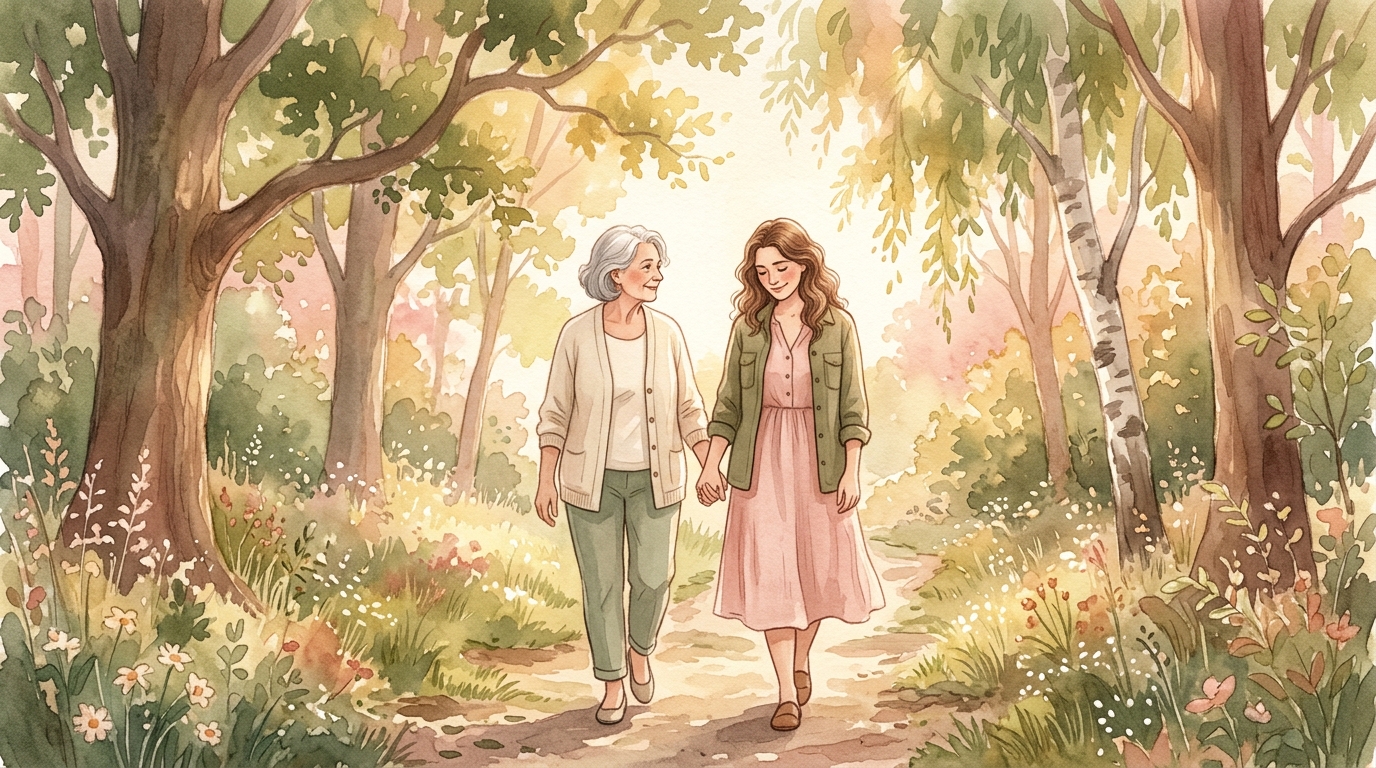
Real belonging takes time. The instant click is rare. The slow build is where trust lives.
You've felt it — the immediate ease with someone new. The conversation that skips the small talk and lands somewhere real. You walk away thinking: This is it. This is the person who gets me.
And then weeks pass. The ease is still there, but something hasn't deepened. Or it deepens unevenly — one good evening, then silence, then another good evening that doesn't quite pick up where the last one left off. You wonder if you misread the click. If the instant connection was real or just chemistry, just two people being charming at the same time in the same room.
Meanwhile, somewhere else in your life, a friendship is growing so slowly you almost don't notice it. The colleague you kept having lunch with. The neighbor you wave to until waving became talking. The person you didn't click with immediately — who was slightly awkward, slightly reserved, slightly not what you expected — and who, month by month, is becoming someone you trust with the unedited version of your day.
The people who get you don't always announce themselves with fireworks. Sometimes they arrive quietly, and the getting-you part takes longer than the movies suggest.
When the instant click isn't the whole story
Instant connection is real. It's also incomplete.
Two people can meet and feel immediate ease — shared humor, overlapping values, the particular pleasure of not having to explain yourself. That ease matters. It's often the door that opens into something deeper.
But ease isn't the same as trust. Ease is the first conversation going well. Trust is the tenth conversation going well, and the eleventh, and the one where something small goes wrong and the friendship survives it. Trust is built in the unremarkable middle — the repeated coffees, the texts that don't need a reason, the slow accumulation of evidence that this person will still be there when you're not at your most charming.
The instant click can make you impatient for the depth that only time builds. You might pull too hard too soon — share too much, expect too much, interpret silence as rejection when it's simply the ordinary pace of two lives finding room for each other. Or you might dismiss the slow-building friendship because it didn't spark on contact, and miss the person who was always going to take longer to know but worth every month of knowing.
The click is the invitation. Trust is what you build after you accept it — slowly, in ordinary moments that don't look like anything from the outside.
What slow belonging actually looks like
Slow belonging doesn't feel cinematic.
It looks like showing up to the same place until familiarity becomes something more. It looks like conversations that start shallow and gradually go deeper — not because someone forced intimacy, but because safety accumulated until the deeper sentences had somewhere to land.
It looks like misreading each other sometimes. Saying the wrong thing and finding out the friendship holds. Going quiet for a few weeks because life got loud, and picking back up without ceremony or apology, as if the gap changed nothing important.
It looks like learning someone's particular texture — how they receive bad news, how they celebrate, whether they need space or company when things are hard. That learning can't be rushed. It happens in the margins of ordinary time, in the hundred small moments that never make a story but compose a friendship.
Your body knows slow belonging when it arrives. It's the difference between a conversation that requires effort and one where something loosens without you deciding to loosen it. It's leaving an evening not depleted but steadied — as if you've been returned to something, not just entertained for a few hours.
When patience feels like waiting to be chosen
Slow belonging asks for patience — and patience can feel, in a culture that celebrates instant connection, like settling. Like accepting less than the click promised. Like watching other people find their people quickly while yours takes months to find its footing.
It can also feel like vulnerability. Every repeated coffee, every follow-up text, every return to a friendship that hasn't fully formed yet is a small exposure — I'm still here. I still want this. I'm willing to wait while we figure out what this is.
Your body might resist that waiting. It might want the certainty of instant ease, confirmation that this person is worth the investment before you've invested much. It might interpret slow as uninterested, or interpret your own patience as neediness, or interpret the friendship's gradual pace as evidence that you're not as likable as the click initially suggested.

None of that is necessarily true. Slow isn't less. It's often more durable — built on something sturdier than first-impression chemistry, on the accumulated evidence of two people choosing each other again and again in small, unremarkable ways.
The people who take longer often stay longer
There's a particular quality to friendships that grew slowly.
You know each other's history because you were there for parts of it — not because someone downloaded their life story on the first evening, but because the story emerged in pieces across months and years. You trust each other because you've seen each other fail small and recover small, be awkward and be kind, need space and return without drama.
These friendships don't always begin with a click. They begin with proximity, or repetition, or one person being brave enough to suggest coffee a second time. They deepen because both people kept showing up — not grandly, not with declarations, but with the quiet consistency of someone who decided you were worth another hour.
The person who gets you might not feel like they get you on day one. They might feel like they get you on day one hundred — and by then, the getting is built on something that instant connection alone couldn't have given you.
Room for both kinds
Instant connection and slow belonging aren't rivals. When the click is real and the depth follows, that's a gift — rare and worth receiving without suspicion.
The slow ones matter too — the friendship that didn't spark on contact, the person who was slightly awkward at first, the relationship that deepens so gradually you almost don't notice until one day you realize you'd tell them the unedited version of your day.
Some people open gradually, like a room whose windows you've been opening one at a time without noticing. The pace can't be forced. It just accumulates — another coffee, another ordinary evening, nothing dramatic yet something quietly building.
What the wait can feel like
While belonging builds, certainty isn't always available — and that's not a flaw in the waiting.
Some people feel the click and hold it lightly, not sure yet whether depth will follow. Some return to the slow friendship again and again, unsure whether silence means disinterest or simply the ordinary pace of two lives finding room for each other. Some notice, across months rather than evenings, which people leave them slightly more breathed.
Some stay — suggesting the second coffee, sending the follow-up text, showing up again when the friendship is still forming and neither person knows yet what it's becoming.
The people who get you might be building toward you right now — in a friendship that hasn't clicked yet, with someone you haven't fully recognized.
Holding two truths
You can crave the instant click — the immediate ease, the person who seems to understand you before you've finished the sentence — and still invest in friendships that take longer to find their depth.
You can feel impatient with slow belonging — and still show up for the coffee, the walk, the third conversation that doesn't feel like much yet but might, given time, become the friendship you didn't know you were building.
Neither truth cancels the other. Both can live in the same week, the same heart, the same you who felt the click and is also learning to trust the slow build.
The path is still there beneath the trees. You might be walking it with someone now — not close yet, not fully known yet, but moving in the same direction, afternoon light filtering through leaves, the friendship finding its pace without asking permission. The click might come later. It might not come at all, and the friendship might still become something steady and true. Real belonging takes time. The waiting isn't empty. It's where trust learns your name.
Related book
Why Love Is So Complicated
Keep reading
- What it means to feel less alone — even by one personYou don't need a crowd. You need one person who stays when things aren't pretty.
- The exhaustion of performing connection without feeling itYou showed up. You smiled. You asked questions. And you drove home feeling emptier than before.
- What happens when you walk with strangers and no phonesAt first it's awkward. Then someone says something honest. And something settles — a quiet kind of connection that only happens when nobody is performing for a screen.