The difference between being alone and being lonely
One is chosen. The other is endured. They look the same from the outside — but your body knows which one you're living in.
By Trupti Gavit
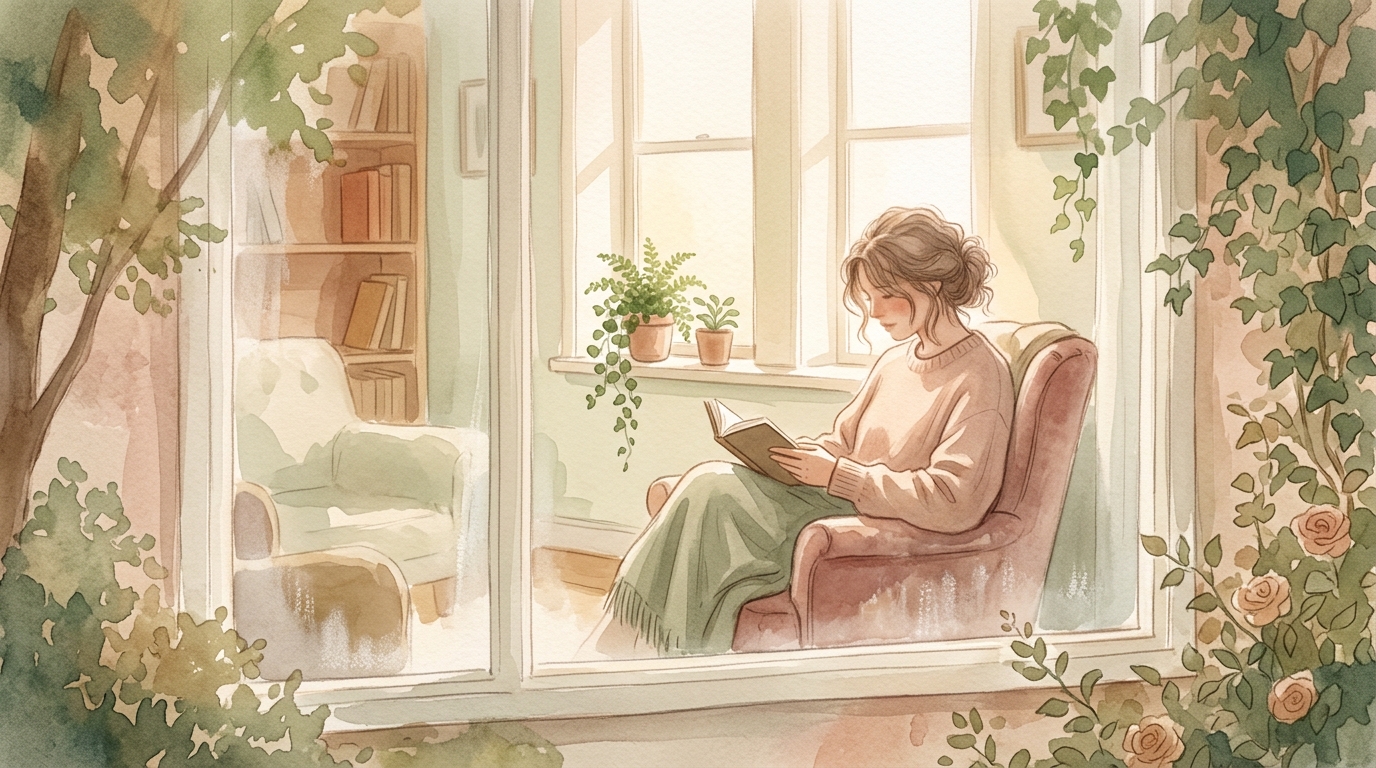
One is chosen. The other is endured. They look the same from the outside.
From the street, your window looks peaceful. Someone inside with a book, afternoon light, the particular stillness of a person who isn't rushing anywhere. A neighbor might think: They have a nice quiet life.
They wouldn't know whether the quiet feels like rest or like waiting. Whether you closed the door because you wanted solitude or because opening it felt too hard. Whether the evening ahead feels like yours to enjoy or like hours you don't know how to fill.
Alone and lonely share a room. They use the same furniture. From the outside, they're indistinguishable. From the inside, your body usually knows the difference — even when your mind insists they should feel the same.
When alone feels like enough
Chosen solitude has a texture.
You feel it in the lack of hurry — no one waiting for you to be ready, no conversation you're half-in while thinking about what comes next. You might read for an hour without guilt. Cook something slow. Walk without checking your phone because no one needs a reply from you right now.
Your body settles in chosen alone. Shoulders drop. Breath lengthens. There's a quiet satisfaction in having your own time, your own pace, your own thoughts without needing to translate them for anyone.
This isn't isolation. It's replenishment. You might be someone who needs regular hours alone the way others need regular hours with people — not as withdrawal from the world, but as the way you return to yourself before going back out into it.
People who love their solitude aren't necessarily lonely. They might be deeply connected and still crave empty evenings, solo mornings, the particular pleasure of a room that holds only them.
Being alone can feel like coming home to yourself. Being lonely can feel like being locked out — and the room looks the same from the hallway.
When alone turns into lonely
Loneliness doesn't always announce itself with empty rooms and silence.
You can be lonely in a crowd. You can be lonely in a relationship. You can also be lonely while technically alone — not because solitude is wrong, but because the solitude wasn't chosen. Because you wanted company and couldn't find it, or couldn't ask for it, or asked and the answer didn't come.
Endured alone has a different weight. It feels less like rest and more like absence. You might scroll not because you're relaxed but because the quiet got too loud. You might make plans for the week not from excitement but from a low-grade dread of another evening with no one expecting you anywhere.
Your body knows this too. It might feel heavy where chosen solitude feels light. Restless where chosen solitude feels still. There's a reaching quality to lonely alone — a sense that something is missing, even when you can't name what, even when you tell yourself you should be fine with your own company.
The confusion of looking fine
Because alone and lonely look identical from outside, you might confuse them in yourself.
You might force yourself to enjoy solitude because you believe you should — because needing people feels like weakness, or because past alone time was good and you can't understand why this version hurts. You might call it lonely when it's actually chosen rest, and push yourself toward social plans your body didn't want, because you've been told that wanting alone time too much means something is wrong.
Or you might call it fine when it's actually lonely — because admitting loneliness feels like admitting failure, or because you've been alone so long that lonely has started to feel normal, the way a room feels normal when you've stopped opening the windows.

Neither confusion is a character flaw. Alone and lonely are close enough to be mistaken for each other, especially in a culture that treats solitude as suspicious and loneliness as something to hide.
Some people need more alone time than others — and that need is simply part of who they are. It's a rhythm to understand. Some evenings restore. Some evenings leave you reaching for something unnamed. Both can be true in the same week without meaning something is wrong with you — or that the room needs filling with people who aren't the right people, just to escape the feeling.
The confusion often clears not through analysis but through attention. How did your shoulders feel by the end of the evening. Did time pass quickly or slowly. Did you feel more like yourself when it ended, or less. Your body keeps a quieter record than your mind — and it usually knows, before you've found the words, whether tonight's alone was chosen or endured.
Listening without naming it perfectly
You don't have to diagnose yourself correctly every time.
Some evenings you'll start alone and find your way to rest. Some evenings you'll start alone and notice, halfway through, that what you actually wanted was a voice in the room — any voice, or one voice in particular. Both are information. Neither requires you to change your life before you finish your tea.
The question isn't whether alone is good and lonely is bad. It's whether the alone you're in tonight is the alone you would have chosen — and if it isn't, whether there's a small, honest way to name that without turning it into a crisis or a project.
You don't have to justify your solitude or apologize for your loneliness. You only have to notice which one you're in — gently, without making it mean something about who you are.
Holding two truths
You can love your alone time — genuinely, deeply — and still feel lonely on the nights when alone wasn't what you wanted.
You can be lonely in solitude — and still not want to fill every empty hour with company, because what you're missing isn't noise. It's being known.
Neither truth cancels the other. Both can live in the same week, the same person who chose alone on Tuesday and endured it on Thursday without being able to say why the same room felt so different.
The light through the window is going soft. The book is still open on your lap, or closed, or never picked up. From outside, nothing about this scene would tell a passerby whether you're resting or aching — and maybe tonight you're a little of both, alone in a room that holds you either way. The evening doesn't need to become something else before you sleep. Only to be named, honestly, by the person who is actually living it.
Related book
Why Love Is So Complicated
Keep reading
- What it means to feel less alone — even by one personYou don't need a crowd. You need one person who stays when things aren't pretty.
- Why the people who get you don't always get you right awayReal belonging takes time. The instant click is rare. The slow build is where trust lives.
- The exhaustion of performing connection without feeling itYou showed up. You smiled. You asked questions. And you drove home feeling emptier than before.