How to grieve something that never happened
No funeral, no name, no date — just the ache of a future that didn't arrive. What mourning looks like when there's nothing to point to and no one knows you're grieving.
By Trupti Gavit
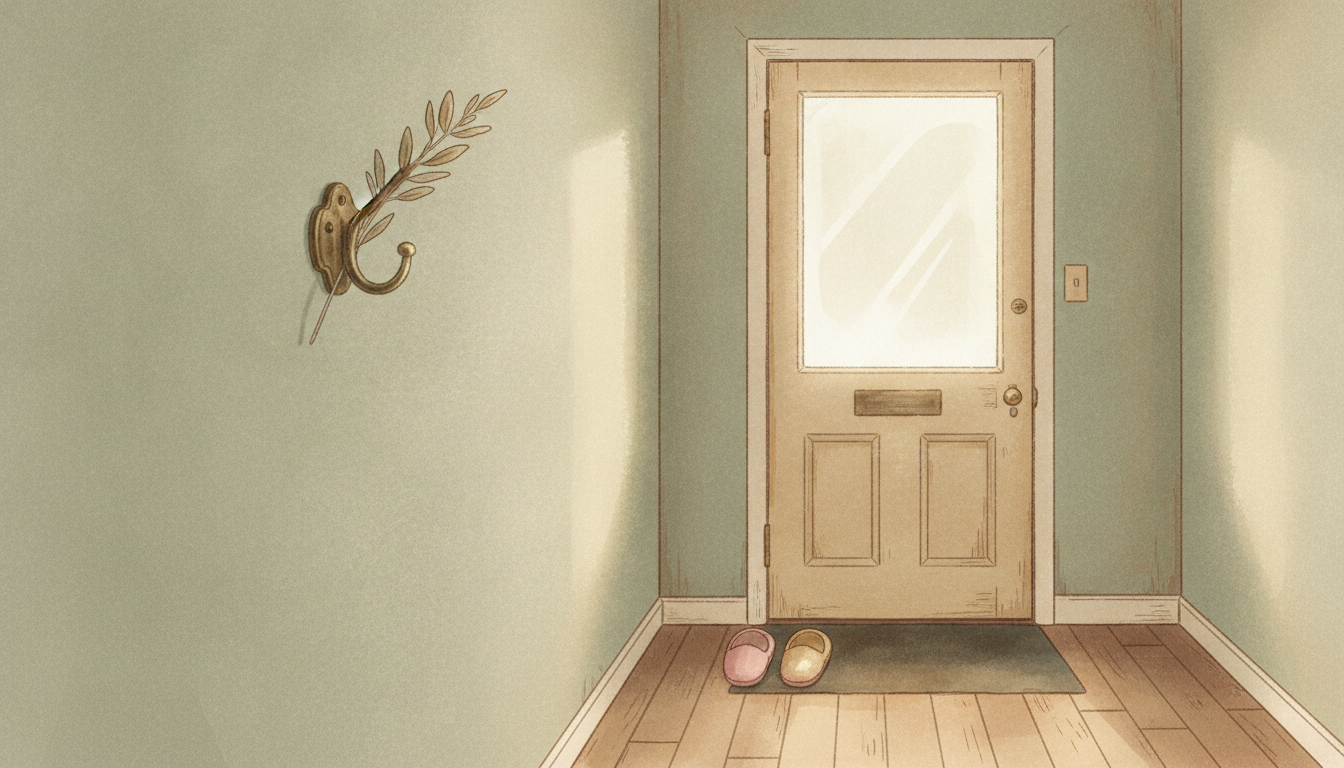
No one died, nothing ended — but something you wanted is gone.
You might know this already. You've felt the ache when someone asks what's wrong and you don't have a clean answer. Not a breakup. Not a death. Just the slow dimming of a future you had already started living inside — and no language for what to do with the feeling now that it's here.
Grieving something that never happened is different from grieving something that did. There's no service to attend, no casseroles, no week where the world agrees to go quiet with you. The loss stays invisible. And because it stays invisible, most of us never learned how to mourn it — only how to hide it.
What unnamed grief actually feels like day to day
It doesn't always arrive as sadness. Sometimes it's restlessness on a Sunday afternoon — a sense that you should be somewhere else, living some other version of this hour. Sometimes it's irritation at your own life, sharp and directionless, with no clear target. Sometimes it's a hollow feeling when good things happen, because part of you is still oriented toward a future that didn't come.
You might cry at a commercial for no reason you can explain. You might feel tired after social events that went fine. You might scroll through someone else's life and feel a grief so specific it has a shape — the apartment, the partner, the ease — and then feel foolish for mourning something you never had.
Unnamed grief often shows up dressed as something else — restlessness, envy, a tiredness that sleep doesn't touch.
These aren't character flaws. They're what mourning looks like when it has nowhere to go.
Mourning without a script
When someone dies, culture gives you a container. Time off. Ritual. A shared agreement to not be okay. When a future dies quietly, you have to build the container yourself — and most of us were never shown how.
The grief is real even without evidence. You don't need a funeral to justify the weight. You don't need to explain it convincingly to anyone, including yourself. The longing was real. The future you imagined was real to the part of you that had already moved in.
What mourning looks like in practice is often small and unremarkable.
You might set aside an afternoon and not fill it — let the feeling be there without trying to solve it or outgrow it. You might write down what you hoped for, not to release it, but to stop carrying it only in your head. You might speak the loss aloud to one person who won't redirect you toward gratitude or perspective.
Some people light a candle for a version of life that didn't arrive. Some take the trip in a smaller form — not to replace what was lost, but to honor the part of them that still wanted to go. Some keep the saved item in the drawer and stop treating its presence as failure.
None of this is about closure. It's about giving the grief a room to sit in, so it stops leaking into everything else.

The days when you have to keep going anyway
Unnamed grief doesn't pause your calendar. The meeting still happens. The groceries still need buying. The friend who asks how you are still expects an answer that fits in a text message.
On those days, mourning might look like letting yourself be quieter than usual. Like not forcing brightness you don't feel. Like choosing one honest sentence — I'm going through something, even if I can't name it well — instead of performing fine.
You might grieve in fragments. Five minutes in the car before you go inside. A walk where you let your mind go to the life that didn't happen without arguing with it. A night where you don't punish yourself for still wanting what you wanted.
You can grieve a future and still show up for Tuesday. Both can be true without either one canceling the other.
There's no correct pace. Some losses soften over years. Some stay — not as open wounds, but as a tenderness you learn to carry while you keep living. You don't have to arrive anywhere. You only have to stop treating the ache as a secret that makes you ungrateful or stuck.
What not to do — gently
You don't have to talk yourself out of the grief by listing what you have. Gratitude and grief can share the same table without one evicting the other.
You don't have to compare your inside to someone else's loss and decide you're being dramatic. Grief isn't a competition. The ache of a future that didn't arrive is its own kind of loss — and minimizing it only sends it underground, where it tends to grow heavier.
You don't have to rush toward acceptance because there's no obituary to mark the end. Some part of you may always know what could have been. That knowing doesn't mean you're failing to move forward. It means you cared about something that mattered.
When the grief asks for something specific
Underneath most imagined futures is a simpler need — belonging, ease, adventure, being chosen, being known. When you can name that need without the costume of the specific future, something loosens. Not because the ache disappears, but because it stops feeling like a personal failure.
You weren't foolish for hoping. You weren't weak for wanting. You were human, reaching toward something good. When it didn't arrive in the shape you expected, the reaching didn't stop — it just turned inward, with nowhere to go.
Naming the need underneath gives your grief something to mourn that the world might understand, even slightly. Not the fantasy apartment — but the longing for home. Not the person who never became who you needed — but the longing to be loved without working so hard for warmth.
Grief for what never happened is often grief for what you needed — wearing the shape of a specific future.
The coat hook stays empty. The morning light moves across the hallway the way it always does. You don't have to fill the hook or explain why it's there — only to let the waiting be real, for as long as it needs to be.
Related book
The Feelings Nobody Teaches
Keep reading
- What it means to feel less alone — even by one personYou don't need a crowd. You need one person who stays when things aren't pretty.
- Why the people who get you don't always get you right awayReal belonging takes time. The instant click is rare. The slow build is where trust lives.
- The exhaustion of performing connection without feeling itYou showed up. You smiled. You asked questions. And you drove home feeling emptier than before.