When being independent becomes another word for being alone
You learned to need nobody. Now you're wondering if that was strength or just protection — and whether the distance you built still serves the person you are now.
By Trupti Gavit
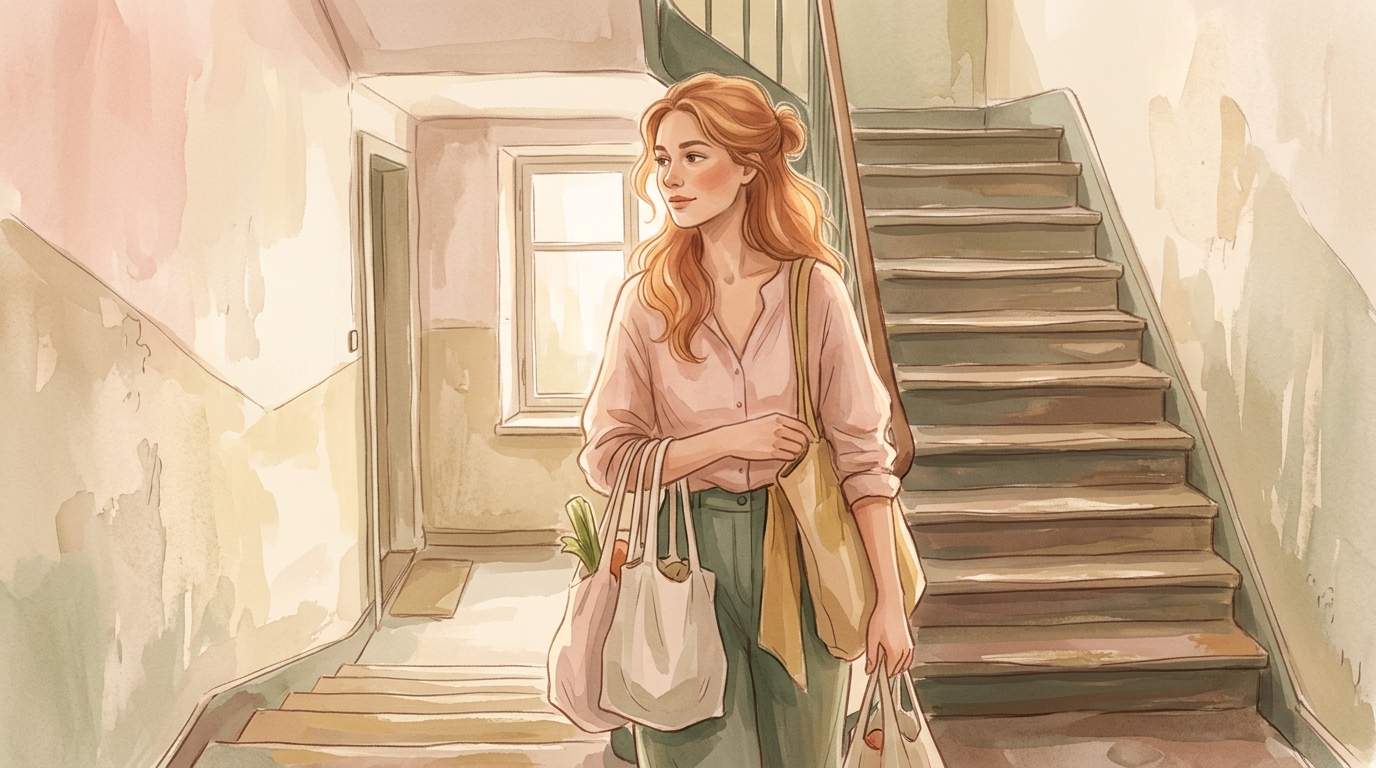
You learned to need nobody. Now you're wondering if that was strength or just protection.
You handle things yourself. You don't ask for rides, for help moving furniture, for someone to sit with you when the day goes sideways. You have learned — carefully, over years — to be the person who doesn't lean, who doesn't inconvenience anyone, who can be counted on without needing to count on anyone back.
People admire this about you. They say you're strong. Self-sufficient. The one who has it together.
And sometimes, late at night, when the apartment is quiet and there's no one to call because you've never quite learned how to call, you wonder whether strength is the right word for what you built — or whether independence became another word for being alone, and you just got very good at not naming it.
When needing less felt like survival
Independence often starts as something practical.
Maybe no one was reliably there when you needed them. Maybe asking meant hearing no, or hearing yes with resentment attached. Maybe you watched someone you loved need too much and lose themselves in the needing, and you quietly decided that wouldn't be you.
So you learned to carry your own weight. To solve your own problems. To treat need as something to minimize — in yourself, and sometimes in others, because need felt dangerous, or embarrassing, or like evidence that you weren't enough on your own.
Your body learned too. It learned to tighten when someone offered help, to deflect when a conversation turned toward what you were actually feeling, to stay capable even when capable was exhausting. Independence wasn't a personality trait you chose from a menu. It was something you grew into because the alternative — needing and being disappointed, needing and being too much — cost more than carrying it alone.
Independence that began as protection doesn't stop being protection just because you're older now. It just gets harder to tell apart from who you are.
The praise that keeps you distant
There's a particular loneliness in being admired for not needing anyone.
People trust you because you don't ask much. They lean on you because you're steady. They forget to check in because you always seem fine — and you do seem fine, most of the time, because you've practiced fine until it became your most fluent language.
The distance that once kept you safe can start to feel like a room you built and then couldn't find the door out of. You have friends, maybe. Colleagues who respect you. People who would say they know you. But knowing the capable version of you isn't the same as knowing the person who sometimes wants to be held, or helped, or simply not alone with the weight of a hard week.
You might not even know how to want those things out loud anymore. The wanting got buried so deep under competence that when it surfaces — a flicker of loneliness after a good dinner, a ache when you see someone ask for help and receive it easily — you don't recognize it as need. You call it something else. Mood. Fatigue. A phase.
When self-sufficiency becomes a wall
There's nothing wrong with being able to stand on your own.
The trouble isn't capability. It's when capability becomes the only way you're willing to be seen — when letting someone in feels more frightening than staying alone, when accepting help feels like losing something you fought hard to build.
You might notice this in small moments. Someone offers to pick you up from the airport and you insist on taking the train. A friend asks how you're really doing and you give the edited version before they've finished the question. You feel low and you tell no one, because telling someone would mean admitting you aren't always the person who handles everything — and that admission feels like a kind of failure, even though it isn't.

Your body remembers why the wall went up. It doesn't always know the danger has passed. It doesn't always know that need, now, might be met differently than need, then.
That doesn't mean you have to tear the wall down overnight. It means you might start to wonder whether the independence that protected you is the same independence that's keeping you lonely — and whether those two things can be held in the same hand without forcing a choice between them.
When wanting help shows up quietly
Wanting connection doesn't erase the strength you built.
It often arrives before you have words for it — a flicker after a good dinner when you wish someone had been there, an ache when you watch someone ask for help and receive it easily, a pause when an offer lands and your body still moves to refuse before your mind catches up.
None of this requires becoming someone who needs everyone for everything. It's only the possibility that needing sometimes — in measured, human ways — might not be the catastrophe your younger self prepared for.
The people who love you may not know how long you've been carrying everything alone. They may not know that sharing a little feels like learning a new language — word by word, need by need, one ordinary moment where the capable version loosens its grip just enough for something true to get through.
Strength and need aren't opposites. You can be someone who carries a lot — and still be someone who sometimes wants company while carrying it.
Holding two truths
You can be genuinely capable — and still lonely in the particular way that self-sufficiency creates.
You can be grateful for the independence that got you here — and still wonder whether it costs more than you meant to pay.
Neither truth cancels the other. Both can live in the same person who handles the groceries alone and still wishes, quietly, that someone else had been on the stairs tonight.
The stairwell is empty now. The groceries are put away. The evening is ordinary — capable, quiet, yours. You handled it, like you always do. And somewhere beneath the handling, a small part of you is still standing at the door you closed a long time ago, not sure whether to knock from the inside or wait for someone else to notice you're there. The strength is real. The loneliness is real. Both can stay with you tonight without needing to be resolved before you sleep.
Related book
Why Love Is So Complicated
Keep reading
- What it means to feel less alone — even by one personYou don't need a crowd. You need one person who stays when things aren't pretty.
- Why the people who get you don't always get you right awayReal belonging takes time. The instant click is rare. The slow build is where trust lives.
- The exhaustion of performing connection without feeling itYou showed up. You smiled. You asked questions. And you drove home feeling emptier than before.