Loneliness when you're not alone
You're surrounded by people and still feel like no one really knows you. That particular loneliness — present in a full room — has its own texture, and its own quiet reasons.
By Trupti Gavit
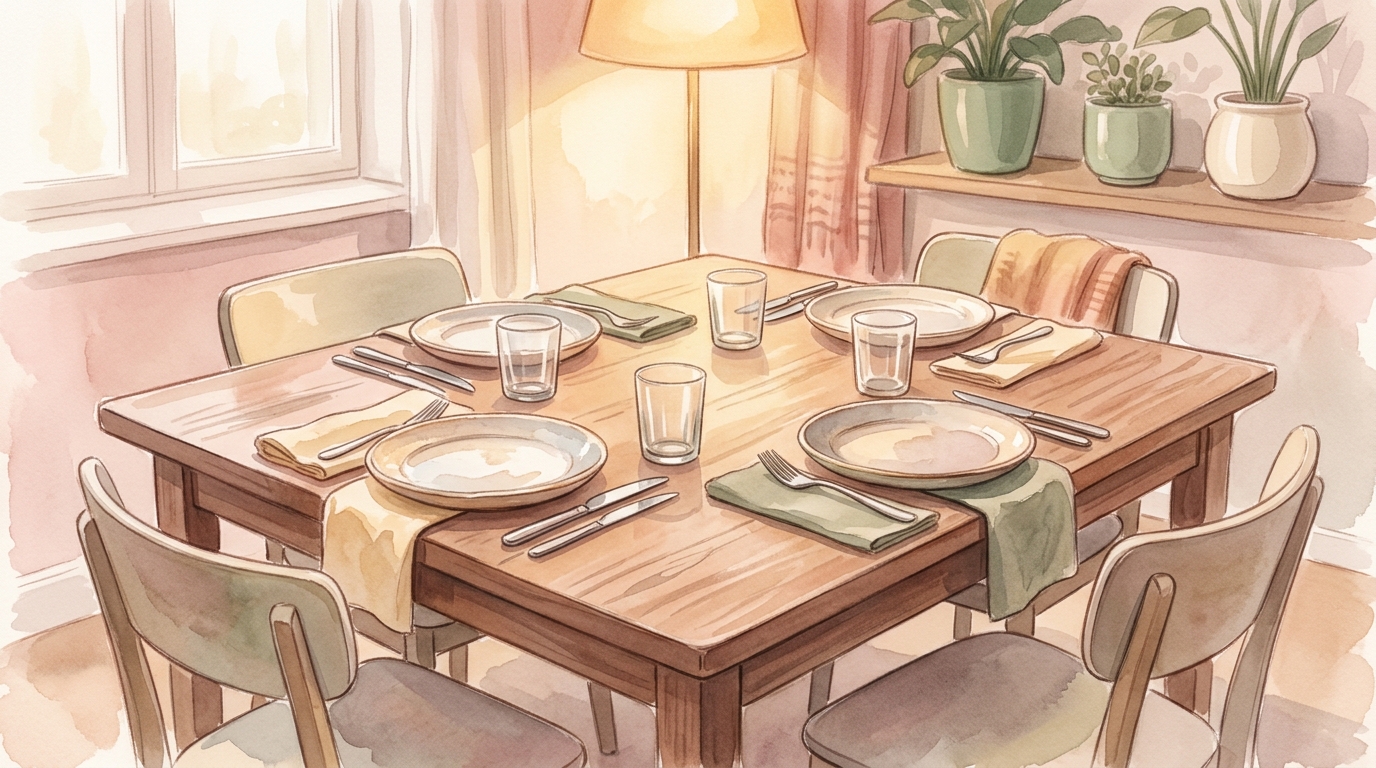
You're surrounded by people and still feel like no one really knows you.
The group chat is active. Someone tagged you in something funny. You laughed — the right amount, at the right moment — and went back to whatever you were doing. At dinner, you told a story. People listened. They asked follow-up questions. You left feeling pleasant, competent, included.
And then you got home, and the quiet in the apartment had a particular weight to it — not peaceful, not empty exactly, but like something had been left unfinished. Like you'd been in a room full of voices and still hadn't said the thing you almost said, and now the moment had passed.
This isn't the loneliness of being physically alone. It's something else — a thinness underneath the warmth, a sense of being adjacent to connection rather than inside it.
When company doesn't reach all the way in
Physical presence and emotional closeness aren't the same thing, though we often treat them as if they are.
You can share a meal, a history, even a home — and still feel like the version of you that showed up was the manageable one. The funny one. The one who keeps things moving. The one who doesn't bring the heavy stuff because the room has never quite made space for it, or because you learned early that heaviness changed how people looked at you.
So you stay in the shallows. Not because you're shallow. Because the shallows are where you've been met before.
Loneliness in a crowd isn't a failure to appreciate your people. It's what happens when you're present without being fully arrived — when the room is full and something in you is still waiting to be spoken to.
The difference between being included and being known
Being included feels like belonging to the group — invited, remembered, part of the plan.
Being known feels like someone has met the part of you that doesn't perform. The tired part. The uncertain part. The part that doesn't have a neat story or a good answer.
Many of us have plenty of the first and very little of the second. We're in the photos. We're on the list. We show up. And somewhere underneath the social ease, a quieter ache persists — not for more people, but for one person, or a few, who could sit with us without needing us to become easier.
You might not even know you're performing until you're alone and the performance loosens its grip. That's when the loneliness arrives — not because no one cares, but because care and knowing aren't always the same currency.
What your body does in rooms that almost reach you
Your body often knows before your mind names it.
In some rooms, your shoulders stay slightly raised. Your laugh comes a half-beat faster than it would alone. You watch faces — not anxiously, not dramatically, just the way someone watches when they've learned that the temperature of a room can shift without warning.
In other rooms — rarer ones — something different happens. You finish a sentence without adding a joke to soften it. You go quiet and nobody fills the silence like it's a problem. You mention something small and sad and the person doesn't rush to brighten it.
Your body registers the difference as breath. As bracing, or its absence. As the unfamiliar sensation of not editing yourself in real time.

That second kind of room doesn't have to be constant to matter. One conversation where you felt met — truly met, not praised, not managed — can stay with you for years. Its absence can, too.
When you've learned to be lovable instead of legible
Some of us grew up in environments where love came with conditions — be easier, be brighter, be less, be the version that kept the room calm. In those rooms, being known and being evaluated shared the same chair.
So now, when people are kind, you might not fully receive it. You might wait for the correction. For the moment they need you to be different. You might share the safe version of your story and call it intimacy because it's more than you've offered before — and still feel lonely afterward, because your body knows the difference between disclosure and being held.
That loneliness makes sense. It's not ingratitude. It's a hunger for something specific — to exist in a relationship without being edited, without monitoring whether you're too much, without translating yourself into something more palatable before you speak.
You can love the people around you and still feel lonely. Both can be true. The love is real. The hunger is, too.
The loneliness that isn't about quantity
More people won't always solve this. A fuller calendar won't either.
What changes it — slowly, unevenly — is depth. One person who asks how you are and waits for an honest answer. One moment where you risk saying the true thing and the room doesn't change temperature. One friendship where repair happens without you having to pretend you weren't hurt.
You can't manufacture that by trying harder at surface connection. You can't force someone to meet you where you actually are. But you can notice which rooms leave you slightly more breathed, and which leave you performing — and you can stop treating the performing as evidence that you're fine.
You can also tell the truth, in small doses, to people who have shown they can hold it. Not a confession. Not a flood. Just one sentence more honest than usual, and then waiting to see what happens.
What closeness sometimes asks of you
Being known requires something from you, too — the willingness to be seen before you're sure it's safe. To stay in a conversation when your instinct is to deflect. To let someone witness the unedited version without pre-emptively deciding they can't handle it.
That's not about oversharing or stripping yourself bare for strangers. It's about noticing where you've been offering the highlight reel and wondering, quietly, what it would feel like to offer one true thing instead.
Some people will meet you there. Some won't. Some will try and miss. The loneliness won't disappear in a single conversation — but the pattern can begin to change, in small ordinary moments where nothing bad happened after you told the truth.
The table is still set. The chairs are still slightly pulled out, as if someone might sit down any minute. The light has shifted — softer now, closer to evening. You don't have to fill every seat to know what you've been hungry for. And the hunger, named quietly, is already a kind of honesty — the kind that sometimes makes room for someone to meet you where you actually are.
Related book
Why Love Is So Complicated
Keep reading
- What it means to feel less alone — even by one personYou don't need a crowd. You need one person who stays when things aren't pretty.
- Why the people who get you don't always get you right awayReal belonging takes time. The instant click is rare. The slow build is where trust lives.
- The exhaustion of performing connection without feeling itYou showed up. You smiled. You asked questions. And you drove home feeling emptier than before.