Why you need to know the plan before you can breathe
When 'let's just see what happens' lands like a threat, not an invitation — and why your body might need a map before it can rest into the moment.
By Trupti Gavit
Your friend leans back in the booth and says it lightly, like a gift: "Let's just see what happens this weekend."
You nod. You smile. You stir the ice in your glass until it clicks against the side.
Inside, something tightens — not anger, not even disagreement. More like the feeling of a door closing on a room you haven't entered yet. See what happens sounds like standing in a hallway with all the lights off. Like being asked to walk forward without knowing where the floor ends.
You want to enjoy the spontaneity. You want to be the person who can say yes and mean it. But your chest has already started making a list. What time. Which train. Who's driving. What happens if it rains. What happens if it doesn't rain and you still don't know where you're sleeping.
The plan isn't optional for you. It's the thing that lets you breathe.
When open-ended feels like open water
Some people hear let's see and feel possibility. Room to wander. A soft invitation to be surprised.
For you, it might land differently — like being handed a blank page and told the test has already started.
You might notice this in small moments before the big ones. A partner saying "we'll figure it out later." A manager scheduling a meeting with no agenda. A family group chat where the plan keeps changing and nobody seems bothered by it.
You are bothered. Not because you're rigid or difficult. Because uncertainty has a texture your body recognizes. It knows what it feels like when the ground shifts without warning — when someone said don't worry and worry was exactly what followed.
So you reach for structure the way other people reach for a jacket when the air turns cold. Not as punishment. As care.
Needing a plan isn't about needing life to be perfect. It's about needing to know where your feet are before you can rest your weight.
What the planning is really doing
Underneath the spreadsheet, the shared calendar, the three backup options — there's usually something simpler than control.
Something in you is asking a question: Am I safe if I don't know what's next?
And for a long time, the honest answer might have been no.
Maybe plans changed without explanation. Maybe the person who said they'd pick you up didn't come. Maybe "we'll see" meant you were last to know, or never told at all. Maybe the only way to feel steady was to hold the details yourself — times, routes, exits, contingencies.
Planning became how you stayed in the room without floating away.
That isn't rigidity or distrust. It's a skill your younger self learned when the adults around you couldn't hold the shape of the day. You became the one who remembered. Who checked. Who knew what time to leave and what to bring and what to do if the first version fell apart.
Your body still thinks that's its job.
The cost of always holding the map
There's a particular tiredness that comes with being the person who needs to know.
You might love your friends and still feel lonely in the planning. You might want to be easygoing and still feel your shoulders climb when someone says "let's play it by ear." You might watch other people sink into a Saturday with no itinerary and wonder why your version of relaxation requires a document.
Sometimes the map helps and sometimes it becomes the only way you know how to arrive.
You plan the vacation down to the hour and then spend the whole trip monitoring whether reality matches the version in your head. You say yes to dinner and spend the afternoon unable to focus until someone names the restaurant. You agree to see what happens and then lie awake running scenarios, as if thinking hard enough could substitute for knowing.

The ache isn't in the planning itself. It's in the belief that you can't soften until every square is filled — that rest is something waiting at the end of certainty, not something you can touch along the way.
When certainty and presence live in the same room
You don't have to become someone who thrives on surprise to live more gently with not-knowing.
Sometimes the kindest move is naming what you need before shame arrives to tell you you're too much — I can do spontaneous, I just need the rough shape of the day. Or I want to come — can we decide the time before Friday? Or I'm excited, and I'm also nervous when things are open-ended — can we pick one thing that's settled?
These aren't demands. They're translations — your body speaking in a language the room can hear.
Asking for structure isn't closing the door on joy. It's opening it wide enough for your whole self to walk through.
And on the other side, when a plan does exist — when the time is set and the route is clear — notice what happens in your chest. The loosening might be small. A single breath that drops lower. A shoulder that falls without you commanding it.
That response is worth trusting. Needing a frame isn't a mistake. It's telling you what safety has looked like — and what a slightly wider version might feel like, when you're ready.
Breathing inside smaller unknowns
Not every moment will come with a full itinerary. Some will stay genuinely open — a conversation that finds its own shape, an afternoon with no agenda, a season of life where the next page hasn't been written yet.
You might not be ready to float in all of that at once. That's all right.
Sometimes one fixed point is enough — a time, a place, a way home — in an otherwise loose day. One question answered before you say yes. One hour left unplanned while knowing where you'll be for the hour after.
Staying present with one hand still on the map can be its own kind of arrival. Not-knowing isn't always the same as being dropped. Someone else can hold a piece of the shape. You can feel the tightening and still choose to stay in the room.
You don't have to love uncertainty to stop treating every open end like a cliff.
Some days you'll still need the full plan before you can enjoy anything. Some days you'll notice the plan was never about the trip — it was about making sure you wouldn't be left standing alone when the details changed.
Both can be true. The person who needs the map and the person who wants to wander might live in the same body, taking turns.
Needing to know before you can breathe didn't come from being controlling or unable to trust life. It came from seasons when not knowing cost you something — time, safety, the feeling of being included in your own day.
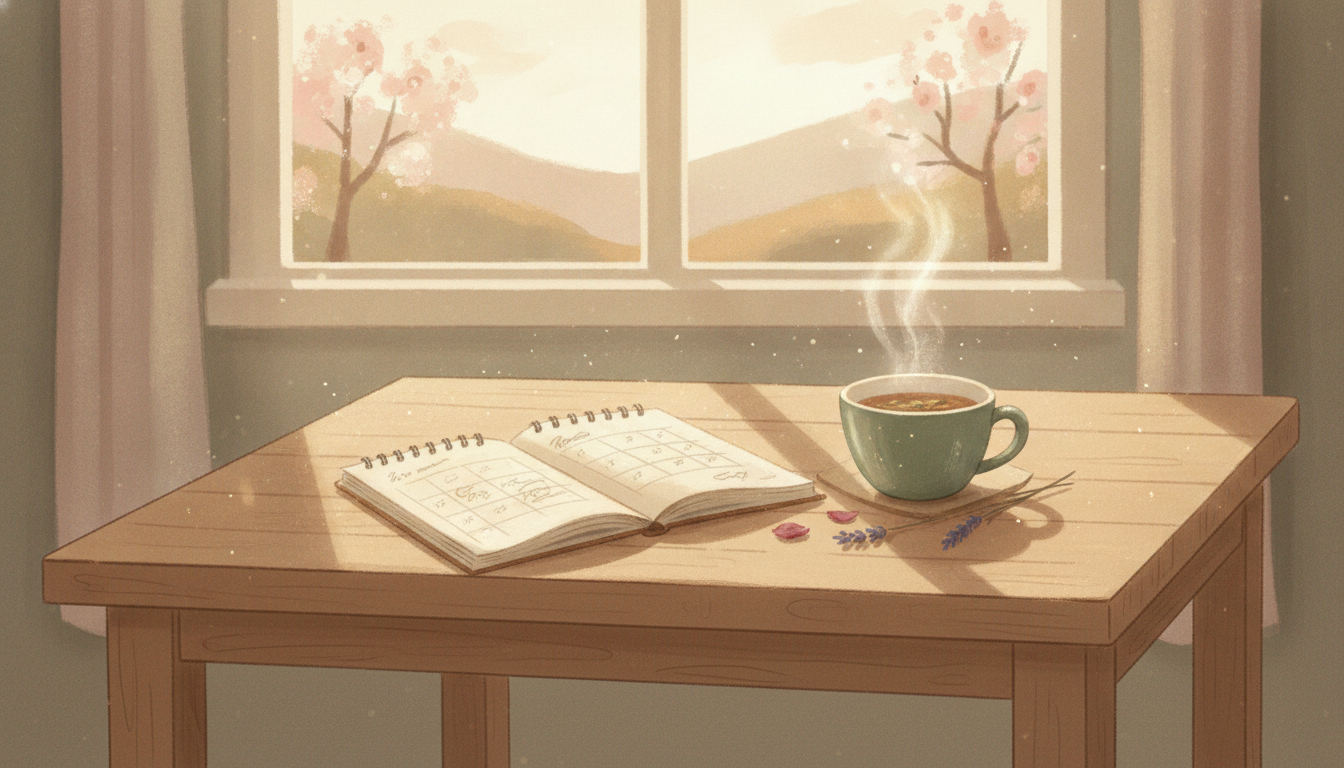
The calendar is still on the table. The tea has gone cold. Somewhere in the empty squares, a weekend waits — and maybe, with one corner filled in, you can lean back in the booth and let the ice settle.
Related book
Before You Know It
Keep reading
- What it means to feel less alone — even by one personYou don't need a crowd. You need one person who stays when things aren't pretty.
- Why the people who get you don't always get you right awayReal belonging takes time. The instant click is rare. The slow build is where trust lives.
- The exhaustion of performing connection without feeling itYou showed up. You smiled. You asked questions. And you drove home feeling emptier than before.