What happens when you outgrow who everyone liked
The version of you they celebrated might not be the version you're becoming. Outgrowing a familiar self can feel like loss — even when the change is something you chose.
By Trupti Gavit
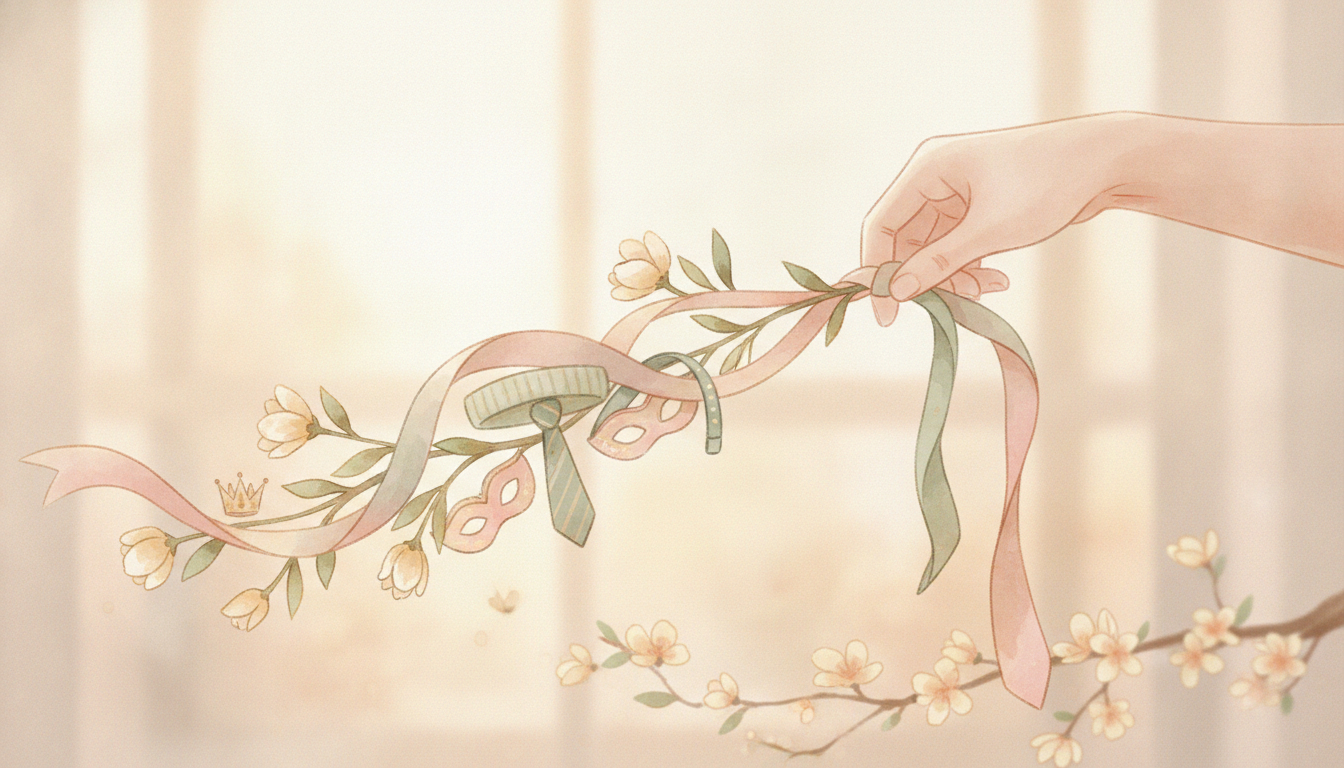
At the reunion, someone said, "You haven't changed at all."
You smiled. You said something light. You passed the bread.
But on the drive home, the sentence stayed with you — not as compliment, not as insult, as something that didn't fit. Because you have changed. You go to bed earlier now. You say no without a long apology. You stopped being the one who holds every room together, who absorbs every mood, who makes the joke when things get heavy.
You used to be the easy one. The reliable one. The person who knew what everyone needed before they asked.
You're not sure you're that person anymore. And the people who loved that version of you aren't sure what to do with who you're becoming.
The version of you they celebrated might not be the version you're becoming.
The self that kept you safe
The person everyone liked was often a person who learned to be likable.
Maybe you were the peacekeeper — the one who smoothed conflict, who never made demands, who could read a room and adjust. Maybe you were the helper — always available, always capable, the one people called when something needed doing. Maybe you were the funny one, or the steady one, or the one who never showed need because need felt like a liability.
That version of you wasn't fake. It was real — real enough to have kept relationships, kept jobs, kept you included in rooms that might have closed their doors otherwise.
The person everyone liked was often a person who learned to be likable — and that version wasn't fake. It was real enough to keep you included.
Your body remembers what that role cost. The exhaustion of anticipating everyone else's needs while yours went unnamed. The loneliness of being known for what you did for people, not for who you were underneath the doing.
Outgrowing that self isn't betrayal. It's often the first time you let yourself take up space without earning it through service or charm.
When change feels like disappearance
The people who loved the old you might not recognize the new one. They might say you seem distant. Quieter. Different. They might miss the version of you who always said yes, who made everything lighter, who never made them work to understand you.
Some of them will adjust. Some won't. Some relationships will stretch to hold who you're becoming. Others will quietly recede — not because anyone is wrong, but because the fit that worked before doesn't fit anymore.

This can feel like grief. You're not mourning a person who died. You're mourning a self that served you — and others — for a long time. The self that got you here. Letting her go, or him, or they, doesn't mean pretending those years didn't matter. It means acknowledging that what kept you safe then might be what's keeping you small now.
The loneliness of becoming
Change is often lonely at first.
You haven't arrived at the new version yet — you're somewhere in between, still recognizable to some people, unfamiliar to yourself. Old friends might not know what to say when you stop performing ease. New connections might not know you long enough to see the shift as change rather than withdrawal.
You might wonder if you're making a mistake. If the old self was fine, was loved, was enough — why change? Why risk the warmth of being known for something you were good at?
Change is often lonely at first — you're somewhere in between, still recognizable to some, unfamiliar to yourself.
Because being liked isn't the same as being known. Because the version everyone celebrated might have been the version that never got to rest. Because outgrowing isn't about becoming someone better — it's about becoming someone more aligned with what you actually feel, want, need, believe.
That alignment doesn't always come with applause.
Holding two truths about who you were
You can be grateful for the self that got you here and still need to move beyond her. You can love the people who loved that version and still choose boundaries they don't understand. You can miss being the easy one and not want to go back.
None of these cancel each other out.
The past self wasn't foolish for being likable. They were intelligent — adapting to an environment where likability was currency. Where being easy meant being safe. Where making yourself useful was how you earned a place in the room.
You can be grateful for the self that got you here and still need to move beyond her. Neither truth has to cancel the other.
You're not erasing that history. You're writing the next chapter with different priorities — rest alongside reliability, honesty alongside harmony, your own needs alongside everyone else's.
Some people will celebrate that. Some will feel unsettled by it. Both responses tell you something about the relationship, not about whether the change is right.
What becomes possible on the other side
The new self isn't finished. You don't outgrow who everyone liked once and arrive somewhere permanent. You keep adjusting — learning where yes still belongs, where no is the kinder answer, where you can show up without performing the role that used to define you.
Over time, the loneliness can soften. You find people who know you in the present tense — who don't need you to be the old version to stay close. You find moments where the new self feels less like a stranger and more like home.
That doesn't mean everyone comes with you. Some relationships were built for the person you were. When you change, the architecture shifts. That's not cruelty. It's physics.
The coat is still on the hook by the door. Morning light moves across the hallway. Someone might knock later — an old friend, a new one, you don't know yet. You could put the coat on again. You could leave it there and walk out in something lighter, something that fits the weather you're actually in. The reunion is over. The drive home is quiet. You're still becoming, and the road ahead has room for whoever you are this week.
Related book
What Should I Do With My Life?
Keep reading
- What it means to feel less alone — even by one personYou don't need a crowd. You need one person who stays when things aren't pretty.
- Why the people who get you don't always get you right awayReal belonging takes time. The instant click is rare. The slow build is where trust lives.
- The exhaustion of performing connection without feeling itYou showed up. You smiled. You asked questions. And you drove home feeling emptier than before.