Why oversharing feels good until it doesn't
You told them everything — and now you're replaying every word. The rush of being known, and the quiet ache that follows when the room goes still.
By Trupti Gavit
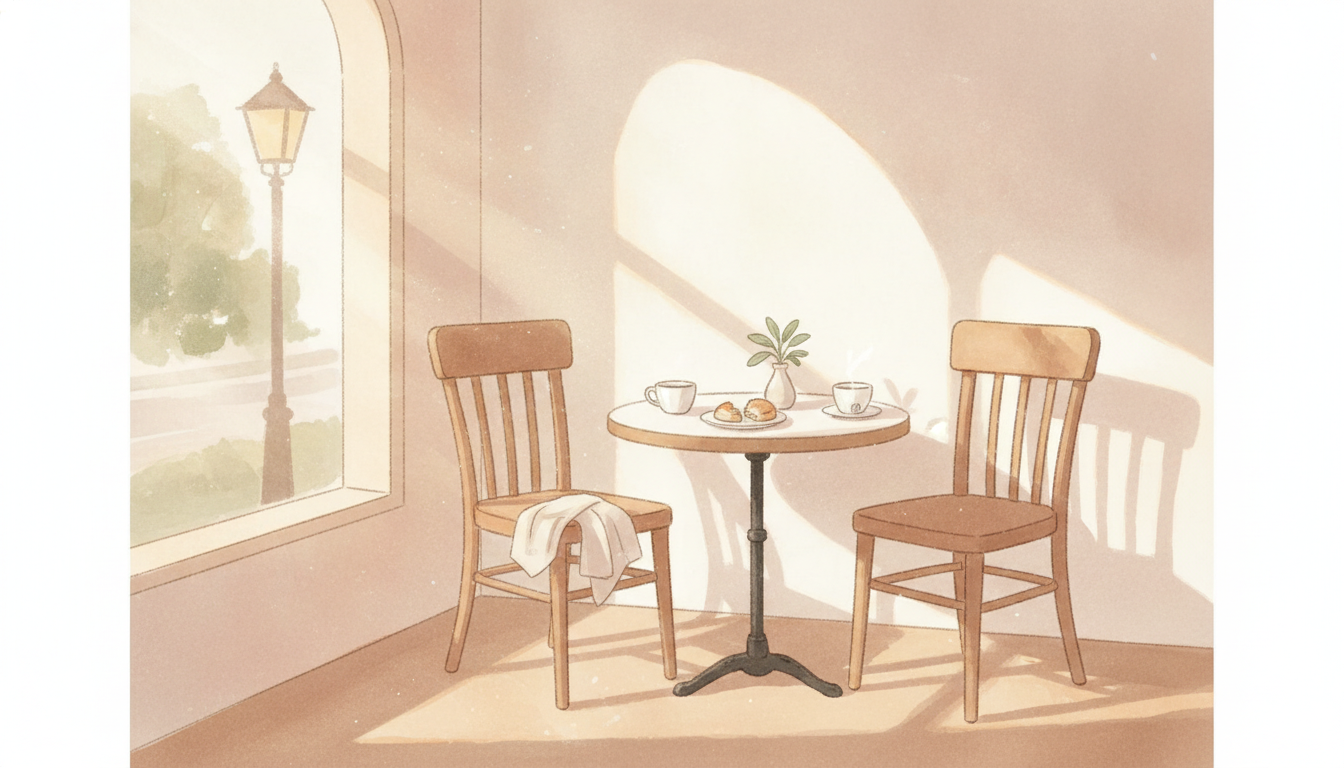
You told them everything — and now you're replaying every word.
It happened fast. You sat down for coffee — or stood in a kitchen, or typed into a message thread at midnight — and something opened. The childhood thing. The fear you've never said out loud. The thing about your marriage, your body, your mother, the year that almost took you under.
They listened. They nodded. Maybe they said the right thing, or maybe they didn't, but in the moment it felt like relief — like finally being met, like the weight you'd been carrying had somewhere to go.
Then you went home. And the relief curdled into something else.
Why did I say that? They know too much now. What if they tell someone? What if they think differently about me?
You're running the conversation back like footage, examining every angle, wondering what they heard that you didn't mean to say.
The rush of being known
Oversharing rarely starts as oversharing. It starts as hunger.
You might have gone months — years — being the person who holds it together. The one who listens. The one who makes the room easy. And then someone asks a real question, or the hour gets late, or the wine lowers the gate just enough, and everything you've been storing comes out at once.
In that moment, it feels like connection. Like honesty. Like the opposite of loneliness.
Your body knows the difference between performing fine and actually being heard. When someone receives what you say without flinching — without correcting, without rushing toward a lesson — something in you exhales. You feel real. Visible. Less alone with the thing you've been carrying.
The rush isn't about saying too much. It's about finally being met somewhere real — and your body not knowing yet how to hold that much openness at once.
There's nothing wrong with wanting to be known. The ache afterward isn't a sign that you failed at vulnerability. It's often a sign that you moved faster than your body could integrate — that you offered someone a depth of yourself before you knew whether the ground between you could hold it.
When the room goes still
It usually happens in private. Not in the conversation — after.
You replay not just what you said, but how you said it. The tone. The timing. The moment you went further than you meant to. You scan their face in memory for signs you missed — a pause, a change in expression, a kindness that might have been distance dressed up as care.
Your body treats openness like exposure. Because sometimes, in your history, it was.
Maybe you learned that telling the truth changed how people treated you. That being too much made someone pull away. That the people who were supposed to hold your feelings couldn't, or wouldn't, or made you feel like your pain was a burden.
So now, when you share something tender, a younger part of you waits for the consequence. The withdrawal. The change in how they look at you. The sense that you've given away something you can't get back.

Sometimes the fear is accurate. Sometimes you shared with someone who wasn't ready, or wasn't safe, or who will use what you said in ways you didn't intend. That's worth listening to — not as a reason to never share again, but as information about pace and placement.
Often, though, the fear is bigger than what actually happened. They listened. They're still talking to you normally. Nothing broke. And still, your chest is tight at 2am, running the tape again, waiting for a consequence that may never come.
Pace is not the same as walls
Boundaries aren't about shutting people out. They're about pace — about how much of yourself you offer, and when, and to whom.
Some people can hold a lot. Some can hold a little. Some feel safe in the moment and reveal themselves, over time, to be less steady than you hoped. Learning the difference isn't cynicism. It's care — for yourself and for what you're sharing.
You might notice a pattern: you share deeply with someone new, feel the rush, then pull back for weeks. Or you share with an old friend and immediately wish you hadn't, even though they've never given you a reason not to trust them. Or you share with someone you shouldn't have — because you were lonely, because they asked, because the silence felt unbearable — and the regret afterward is really grief about needing to be held and reaching for the nearest pair of hands.
Intimacy isn't measured by how much you say in one sitting. It's measured by whether what you share can be held over time.
Neither extreme is the whole truth. Sharing can be healing. And sharing too fast, too often, with the wrong person, can leave you feeling raw in ways that take days to settle. Both can be true. You can be glad you said it and wish you'd waited. You can trust someone and still need more time before you offer them the next layer.
What the replay is asking
When you can't stop replaying a conversation, your mind isn't punishing you. It's asking a question it can't answer alone.
Are we still okay? Did I give away too much? Do they see me differently now? Was I safe to be that honest?
Naming the question sometimes loosens the loop — not because you answered it, but because you stopped pretending the replay was about reviewing facts. It was about whether the connection is still intact.
Sometimes the answer comes through ordinary contact. A normal text. A laugh over something small. The way they treat you the next time you see them — unchanged, steady, still there. Your body often needs that more than another mental replay.
Sometimes the answer is slower. You shared something real and now you need time to feel okay inside your own skin again — not because you did something wrong, but because honesty costs something, even when it's good.
The ache afterward doesn't mean you shouldn't have shared. It often means your body is catching up to how much you let someone see.
Holding what you offered
You can't unsay what you said. But you can tend to yourself afterward with the same gentleness you'd offer a friend who came home from a hard conversation feeling exposed.
You might write down what you shared — not to send, just to let it exist outside the loop in your head. You might notice whether the regret is about them or about an old story where honesty had a cost. You might simply say, quietly: I said a true thing. Of course I feel tender about that.
Openness and exposure sit close together. Learning the difference takes time — and tenderness afterward is part of that, not a sign you went too far.
The chair across from you is empty now. The napkin is still folded where they left it. You said a true thing — and your body is still finding out what that means. Maybe they'll still be there next time. Maybe you'll share less, or slower, or with someone else. Maybe the replay will quiet when morning comes and the ordinary world returns.
Related book
Why Love Is So Complicated
Keep reading
- What it means to feel less alone — even by one personYou don't need a crowd. You need one person who stays when things aren't pretty.
- Why the people who get you don't always get you right awayReal belonging takes time. The instant click is rare. The slow build is where trust lives.
- The exhaustion of performing connection without feeling itYou showed up. You smiled. You asked questions. And you drove home feeling emptier than before.