Why you feel responsible for everyone else's mood
They're quiet and suddenly you're scanning the room wondering what you did wrong. When other people's feelings become something you feel you have to manage.
By Trupti Gavit
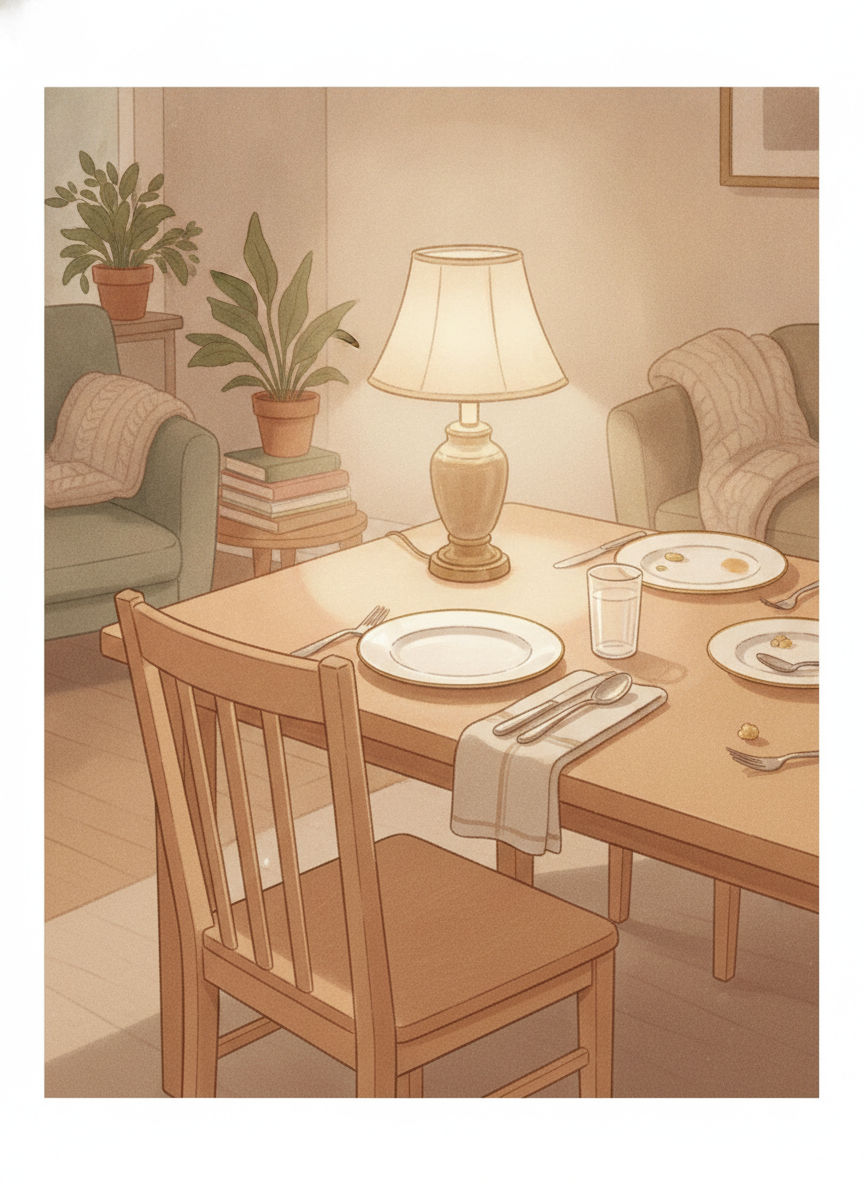
They're quiet and suddenly you're scanning the room wondering what you did wrong.
Not out loud. Not always consciously. But somewhere inside, a familiar sequence begins. You replay the last hour. The joke that landed flat. The question you asked at the wrong moment. The tone in your voice when you said you were tired. You watch their face for clues. You adjust yours — softer, lighter, easier. You offer tea. You ask if everything is okay, even though part of you already decided the answer is no, and that the no is about you.
You might be at a dinner table. In a car. On a video call where their camera is off and you can't read what you can't see. The setting changes. The feeling doesn't.
Other people's moods became something you feel responsible for — not because anyone told you it was your job, but because somewhere along the way, you learned to believe that when the room went cold, it was often because of something you did.
When silence felt like a message
In some homes, silence wasn't restful. It was information.
Someone stopped talking and you started counting. How long has it been? What did I say? Should I apologize for something I don't understand yet? You learned to treat quiet as a weather report — and to treat yourself as the one who could change the forecast.
Maybe a parent went still when they were disappointed. Maybe a partner's short answers meant you had hours of repair ahead. Maybe the whole house held its breath until someone — usually you — said the right thing, made the right face, became small enough or helpful enough for warmth to return.
You got good at it. Good at reading the shift before it fully arrived. Good at adjusting before anyone had to ask. Good at carrying the weight of an atmosphere that wasn't yours to carry, because carrying it felt safer than not knowing what would happen if you didn't.
You didn't become responsible for everyone's mood because you wanted control. You became responsible because calm felt borrowed — and you learned how to pay the interest.
The cost of being the mood manager
When you're the one who smooths, soothes, and scans, your own feelings get processed last — if they get processed at all.
You might not know you're anxious until your jaw aches. You might not know you're sad until you're alone and the feeling arrives all at once, like it was waiting for the room to empty. You might say you're fine because fine is what the room needs from you right now, and you've gotten very skilled at giving the room what it needs.
This isn't selflessness in the simple sense. It's a pattern with roots. A young body that learned: When they're okay, I'm safer. When I can make them okay, I have a place.
That pattern may have kept you connected. It may have kept things from escalating. It may have made you the person everyone trusts — perceptive, steady, the one who notices when something is off.
But it also taught you that other people's discomfort is an emergency you must respond to. That their quiet is your assignment. That your peace depends on their peace — and if they're not at peace, you must have failed at something.
What responsibility isn't
Feeling responsible for someone's mood is different from caring about them.
Caring is real. Noticing when someone seems off and asking, gently, if they want to talk — that's human. Wanting the people you love to feel okay — that's love.
But responsibility assumes you caused it, or can cure it, or must carry it until it passes. Responsibility turns their inner weather into your report card. Responsibility sends you scanning backward through every word you said, looking for the mistake that made them go quiet — even when their quiet has nothing to do with you.
Sometimes people are quiet because they're tired. Because they're processing something at work. Because their body hurts or their mind is elsewhere or they simply don't feel like talking. Sometimes the mood in the room is theirs — fully, entirely, beautifully theirs — and your only role is to let it exist without making it about you.
That distinction can be hard to feel. Your body may still react as if their shift in energy is a signal that you need to act.

Holding two truths at once
You can care about someone without being responsible for their mood.
You can notice they're quiet and not immediately begin reviewing every word you said. You can ask once, gently, if they want company or space — and then let their answer be enough, even if their answer is unclear.
You can also acknowledge that this pattern made sense when you learned it. In the environment where you learned it, managing the mood may have been one of the few tools you had. It may have been a form of love. It may have kept you close to people you needed.
None of that means you have to keep carrying what was never yours.
Their mood is real. Your responsibility for it might not be. Both can be true while you learn the difference.
What it looks like to set it down, slowly
This doesn't happen in one conversation. Your body learned this pattern over years — in kitchens, in cars, in doorways where you waited for the tone to tell you whether you were safe.
Setting it down might look like noticing when the scan begins. They're quiet. I'm already reviewing my last hour. That noticing is already something new.
It might look like asking one honest question before you act: Is this about me, or am I assuming it is because I always have?
It might look like staying present without performing warmth you don't feel — not cold, not indifferent, just not rushing to earn the room's comfort back.
Some days you'll slip. You'll apologize for something you didn't do. You'll over-explain. You'll make yourself smaller until their face softens. That's not failure. That's a habit with deep roots. You notice. You breathe. You return.
Some days you'll notice you didn't scan at all — you were tired, or distracted, or simply occupied with your own life — and the room stayed quiet, and nothing terrible happened. Those days matter too. They're small reminders that the atmosphere was never entirely yours to control.
You can love people deeply and still let their feelings belong to them.
The chair is still pushed back. The plate is still untouched. The lamp throws the same soft light it threw before the quiet arrived. You don't have to solve the silence to stay in the room. You can let it be theirs — and let your breath, finally, be yours.
Related book
Before You Know It
Keep reading
- What it means to feel less alone — even by one personYou don't need a crowd. You need one person who stays when things aren't pretty.
- Why the people who get you don't always get you right awayReal belonging takes time. The instant click is rare. The slow build is where trust lives.
- The exhaustion of performing connection without feeling itYou showed up. You smiled. You asked questions. And you drove home feeling emptier than before.