Saving vs. hoarding: when safety becomes scarcity
The line between being careful and being afraid is thinner than you think — when saving stops feeling like choice and starts feeling like survival.
By Trupti Gavit
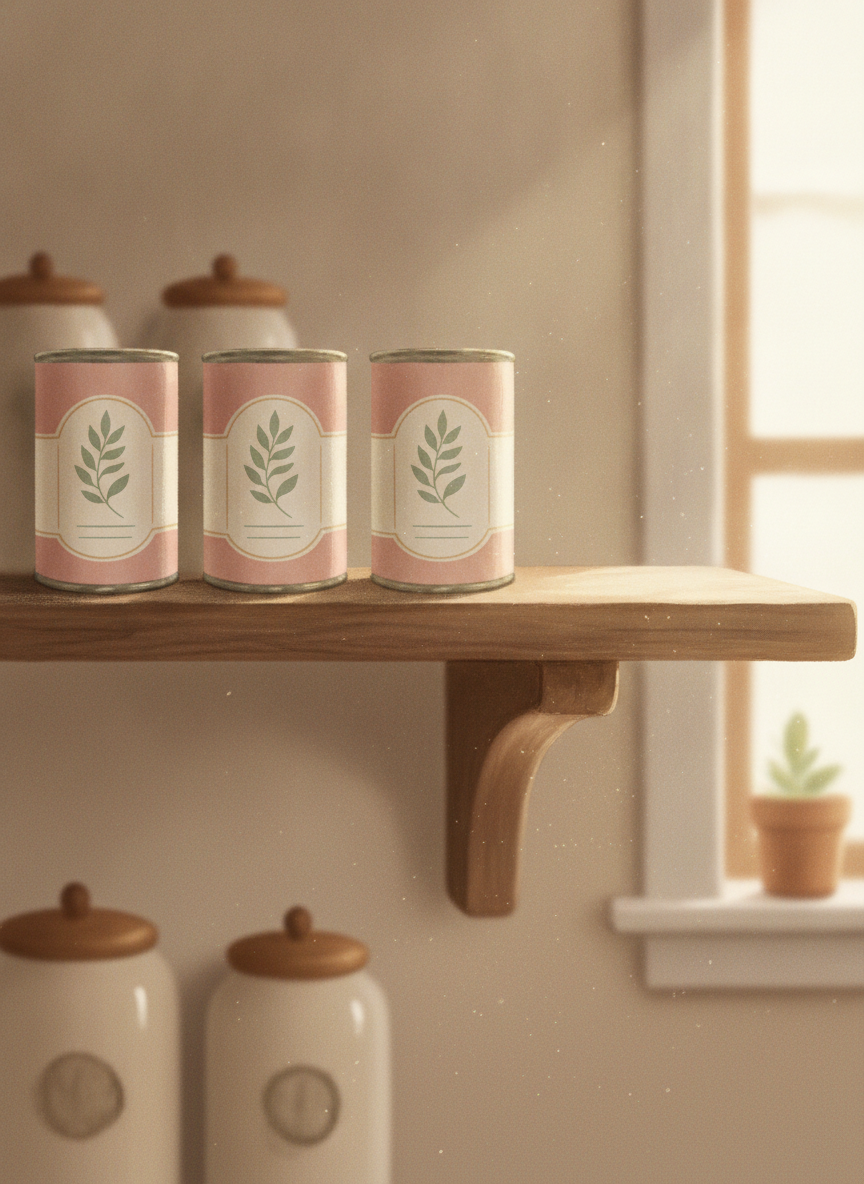
The line between being careful and being afraid is thinner than you think.
You have six cans of the same soup in the pantry. You bought them on sale — three months apart, each time telling yourself you were just being sensible. Your savings account has grown. Your emergency fund has a number in it that would have felt impossible five years ago. On paper, you're doing exactly what everyone says to do.
And still, when you reach for one can to make lunch, you hesitate. As if using it means losing something. As if having enough requires never touching what you've built.
Being careful was supposed to bring peace. Instead, it sometimes feels like you're living inside a glass case — everything accounted for, nothing moved, the air a little thin.
When saving stops feeling like choice
There's a difference between saving because you want a cushion and saving because you're afraid of what happens without one.
The first feels like agency. You set something aside. You make a plan. You know why the money is there — for a trip, for a slow month, for the thing you might want someday without having to ask anyone's permission.
The second feels like holding your breath. The account grows and the relief is brief — a flicker, then the old math returns. What if it's not enough? What if something takes it? What if the good month was the exception and the lean ones are what's real?
You might not notice when one became the other. Saving is praised. Caution is responsible. No one asks whether your carefulness still has room for today.
Saving can be a kindness to your future self — or a way of telling your present self that today isn't safe enough to spend in.
The pantry that never gets used
Hoarding doesn't always look like clutter spilling from closets.
Sometimes it looks like never opening the nice thing you bought. Like keeping towels in plastic because using them would mean they're no longer new. Like buying in bulk not because you need twelve, but because twelve means you won't run out — and running out once taught your body something it hasn't forgotten.
You might have a drawer of free samples you don't use. Gift cards you save for the right occasion that never feels right. Clothes with tags still on because wearing them would mean they're ordinary now, no longer waiting.
The saving extends past money into objects, into time, into pleasure deferred so long it becomes unfamiliar. You become someone who has things and doesn't touch them — who prepares for a future that requires so much stockpiling that the present stays thin.

What the fear is protecting
Before you label any of this as excessive, consider what it grew from.
Maybe you watched someone lose everything in a single season. Maybe you learned that having something visible meant someone might need it from you — or take it, or question why you had it at all. Maybe the month the refrigerator went empty stayed in your body longer than it stayed in memory.
Saving made sense. Stocking up made sense. Holding tight made sense when the ground wasn't steady and no one was coming to catch you if you slipped.
Your body isn't being irrational when it wants twelve cans of soup. It's remembering a time when one can was the difference between dinner and nothing — and it hasn't fully learned that dinner is more reliable now.
That doesn't mean you have to empty the pantry tomorrow. It means the cans might be about more than soup.
The loneliness of having enough and not using it
There's a particular ache in reaching a milestone and feeling no closer to ease.
Friends might admire your discipline. You might admire it too, on good days. On other days, you wonder who all this saving is for — whether the person you're protecting is still the child who needed a cushion, or whether you've become someone who only feels safe when nothing is spent, opened, enjoyed.
You might cancel plans because going would cost money you technically have. You might say no to small things — a coffee out, a book you wanted, a gift for someone you love — and tell yourself you're being wise, while something quieter grieves the life that keeps waiting behind the savings goal.
Having enough on paper and living as if you don't — both can be true in the same person on the same Tuesday.
This isn't about spending recklessly or shaming the part of you that saves. It's about noticing when safety has started to mean absence — when the cushion exists but you never sit on it, when the emergency fund grows but ordinary life stays in emergency posture.
Two kinds of careful
Careful can mean: I know what I have, and I choose from that knowledge.
Careful can also mean: I don't trust today enough to use what I've built.
The first leaves room for a meal out, a gift, a can of soup opened on an ordinary afternoon because you're hungry now. The second treats every use as a small loss, every pleasure as a withdrawal from a future that might need it more.
You might not know which kind you're practicing until you try to spend on something small and reasonable — and feel the flinch. The pause at the register. The mental calculation that runs longer than the purchase requires. The relief when you put it back.
The flinch is information. Not a verdict. Just a signal that saving and hoarding might be sharing a room in you, and only one of them knows how to let today in.
When the line starts to blur back
You don't have to choose between preparation and presence. Most of us need some of both — a cushion for the months that wobble, and a life that gets lived inside the months that don't.
Sometimes the change is smaller than a budget overhaul. Opening one can without replacing it immediately. Buying the olive oil and using it. Transferring a small amount from savings to something that brings warmth now — not because the future doesn't matter, but because the present is also part of the life you're saving for.
Your body learns slowly, the way it learned to stock up. One opened can. One purchase without guilt. One afternoon where enough stays enough even after you've spent a little.
Safety that never loosens its grip isn't safety — it's scarcity wearing a responsible name.
The six cans are still on the shelf. The afternoon light moves across the kitchen the way it always does. Somewhere between careful and afraid, a line waits — thin, easy to miss, worth noticing before another month passes without opening anything.
Related book
Why Money Hits So Deep
Keep reading
- What it means to feel less alone — even by one personYou don't need a crowd. You need one person who stays when things aren't pretty.
- Why the people who get you don't always get you right awayReal belonging takes time. The instant click is rare. The slow build is where trust lives.
- The exhaustion of performing connection without feeling itYou showed up. You smiled. You asked questions. And you drove home feeling emptier than before.