Why you get sick right after the stressful thing ends
You made it through — and then your body finally let go. The crash that arrives after the hard season ends isn't weakness. It's release.
By Trupti Gavit
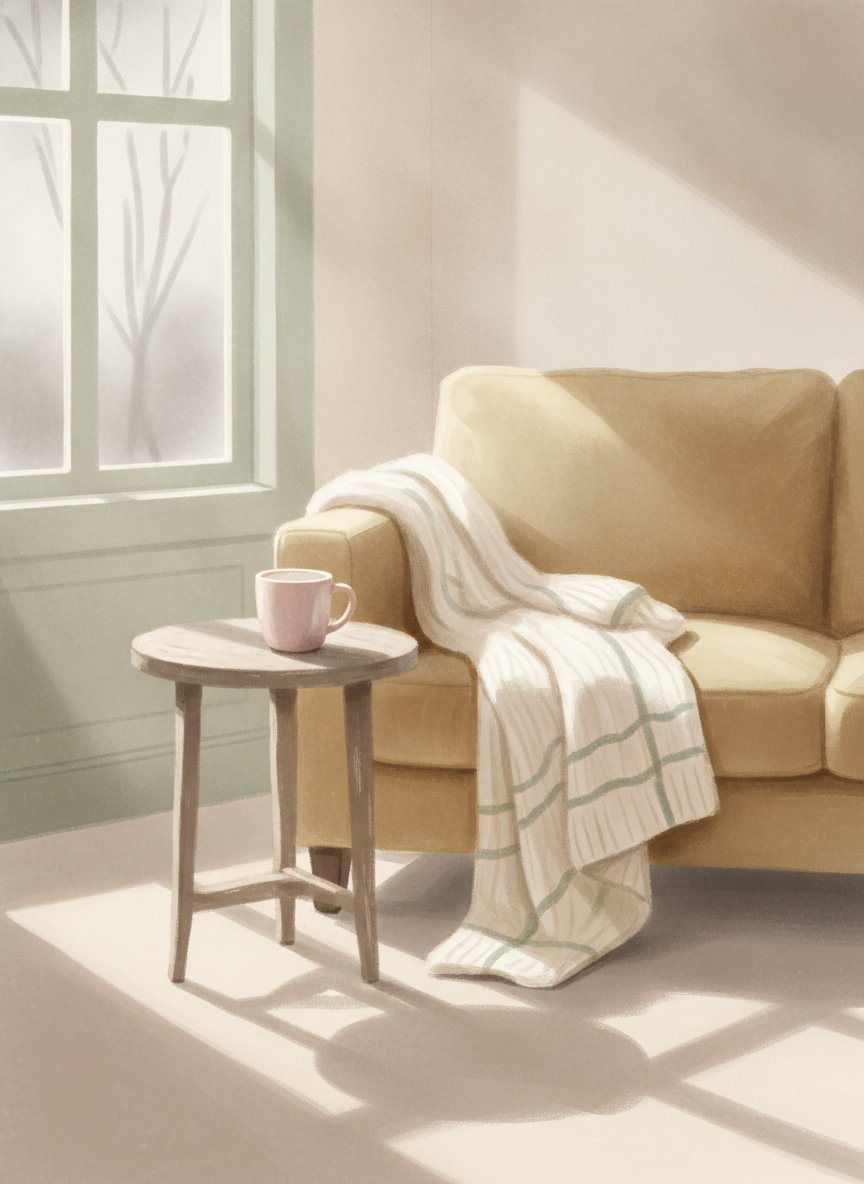
You made it through — and then your body finally let go.
The deadline passed. The exam is over. The family visit ended. The crisis at work resolved. You told yourself you'd rest once it was done — and instead, you woke up with a sore throat. Or a fever. Or a fatigue so deep it felt like something behind your eyes had switched off.
You might have pushed through the hard weeks without getting sick. You might have told yourself your body was fine, that you were handling it, that adrenaline would carry you to the finish line.
You cancelled sleep. You skipped meals without noticing. You said I'm fine when people asked — and meant it, in the way you mean fine when there isn't room for anything else.
It did carry you. And then the finish line arrived, and your body did what it couldn't do while you were still needed to stay ready.
This isn't bad timing. It's timing your body chose when you weren't looking.
The holding that looks like strength
While the stressful thing was happening, your body was working.
It kept you alert. It shortened your breath when needed. It sent energy to the places that mattered for survival — the presentation, the hospital room, the conversation you couldn't avoid. It postponed the headache, the cold, the collapse, because postponing was useful.
You might have interpreted that postponement as resilience. As evidence you could handle anything. As a sign that rest was for other people, for later, for when everything was finally finished.
But your body wasn't saying you were unlimited. It was saying: Not yet. We can fall apart after.
Getting sick when the pressure lifts isn't your body failing you. It's your body finishing something it couldn't finish while you were still holding on.
The let-down you didn't plan for
There's a particular quality to illness that arrives after stress — different from the cold you catch in ordinary winter, different from the tiredness of a single bad night.
It feels like release. Like something that was clenched for weeks finally unclenched, and what came out wasn't ease — it was exhaustion, inflammation, the immune system catching up on what it deferred.
You might feel angry about it. I finally have time to rest and now I'm sick. I did everything right and my body still gave out. I can't catch a break.
That anger makes sense. You had been counting on the soft landing. Your body had other priorities — and one of them was letting go in the only language it had left.
What your body was protecting
Illness after stress isn't random. During sustained pressure, your body allocates resources toward immediate survival. The systems that maintain long-term health — immune function, digestion, deep sleep — get deprioritized quietly, without asking permission.
You might not have felt unsafe in the dramatic sense. You might have been managing, performing, holding everyone else together. But managing and resting aren't the same address. Your body knows when it's been running on borrowed energy.
When the borrowed time ends, the bill arrives.

The shame of collapsing after coping
Some people feel ashamed when they get sick after a hard season — as if the illness cancels out everything they managed.
I held it together for everyone and now I can't even get off the couch. Other people go through worse and don't fall apart. I should be grateful it's over, not lying here feeling sorry for myself.
But coping and collapsing aren't opposites. They're often sequential. The same body that kept you upright through the crisis is the body that needs to go horizontal afterward.
You weren't faking strength before. You're not faking weakness now. Both are accurate readings of what your body had available in different moments.
Your body didn't wait until you were weak to get sick. It waited until you were safe enough to stop.
When rest finally arrives and feels like punishment
You might have fantasized about the day after — sleeping in, making tea, doing nothing without guilt.
Instead you got a fever and a body that couldn't do much of anything. The rest you wanted arrived wrapped in symptoms, and it doesn't feel like the reward you imagined.
That mismatch is disorienting. You wanted chosen rest. You got enforced rest. Your body didn't consult your calendar.
And yet — underneath the frustration — something in you might recognize the pause. The permission to stop that you couldn't give yourself while the stressful thing was still running. The world didn't end when you cancelled plans. The email can wait. The laundry can wait. Your body has finally insisted on what you kept postponing.
What the crash is asking for
You don't have to interpret illness as a message from the universe. You don't have to turn a cold into a metaphor for every unprocessed feeling you've ever had.
You might just listen to what your body is doing now: slowing down. Asking for warmth, sleep, simple food, fewer inputs. Asking you to stop performing recovery as productivity — to not fill the sick days with tasks just because you're finally home.
The crash isn't a punishment for working hard. It's a recalibration. Your body rebalancing after a season of running hot.
Some people need to learn, slowly, that stopping doesn't always mean something bad follows. That rest after effort isn't laziness. That the body has its own timeline for release — slower and less convenient than any deadline you'd prefer.
You might remember the last time this happened — the trip you finally took, the exam week that ended, the family crisis that resolved — and how the sore throat arrived like clockwork on day two. Your body has a pattern. It's not punishing you. It's repeating what it knows.
The blanket is still on the couch. The mug is empty. Outside, the afternoon is ordinary — no crisis, no deadline, nothing that requires you to stay ready. Your body knew before you did. The hard thing is over. You can let go now, even if letting go looks like sleep, and soup, and a few days of not being useful to anyone.
Related book
Why You Can't Rest
Keep reading
- What it means to feel less alone — even by one personYou don't need a crowd. You need one person who stays when things aren't pretty.
- Why the people who get you don't always get you right awayReal belonging takes time. The instant click is rare. The slow build is where trust lives.
- The exhaustion of performing connection without feeling itYou showed up. You smiled. You asked questions. And you drove home feeling emptier than before.