Why socializing leaves you completely drained
You laughed. You stayed. You had a good time — and then needed two days alone to recover. That exhaustion isn't a character flaw. It's information.
By Trupti Gavit
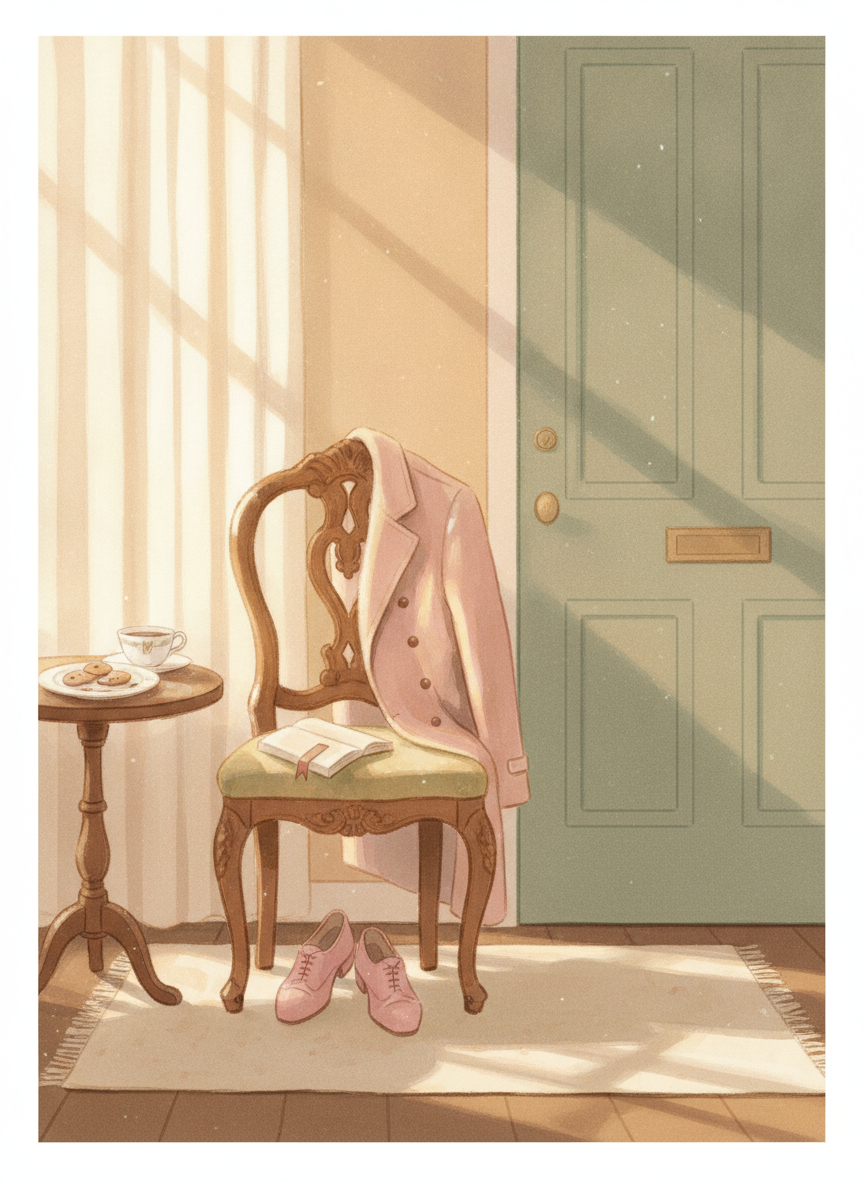
You said goodbye at the door. You smiled. You meant it when you said you had a lovely time.
Then you closed the door and stood in the sudden quiet of your own hallway.
Your face ached from holding expression. Your ears were ringing slightly from the noise. Your body felt like you'd run a distance you didn't remember starting — not unhappy, not relieved exactly, just empty, the way a room feels after everyone leaves and the chairs are still warm but the air has changed.
You had fun. You know you had fun. You laughed at something real. You connected with someone you hadn't seen in months.
And now you need approximately two days alone before you can be a person in the world again.
This isn't antisocial. This isn't a character flaw. This is your body doing honest accounting.
The bill comes after the party
Socializing costs energy. For some people, the cost is small — a light withdrawal, easily replenished by a good night's sleep.
For others, the cost is substantial. Not because the event was bad. Because showing up fully — reading the room, tracking conversations, managing your face, deciding what to share and what to hold back — requires a kind of continuous output that quiet time doesn't ask for.
You might not notice the spending while it's happening. Adrenaline and connection can mask the draw on your reserves. The bill arrives afterward, when the stimulation drops and your body finally reports what the evening actually cost.
That crash isn't ingratitude. It's not a sign that you didn't enjoy yourself. It's the receipt.
Needing recovery after socializing doesn't mean you didn't want to be there. It means your body spent something real to be there fully.
What your body was doing all night
While you were laughing and asking questions and nodding at the right moments, your body was working.
It was tracking tone. Monitoring exits. Reading micro-expressions. Adjusting your volume, your posture, your stories. Deciding in real time how much of yourself was safe to show in this room, with these people, on this night.
For people who grew up scanning for mood shifts, managing group dynamics, or being the one who kept things smooth — this tracking isn't optional. It's automatic. You don't decide to do it. You do it the way you breathe.
A three-hour dinner can contain three hundred small calibrations. Each one tiny. Together, exhausting.
And if you spent part of the evening performing ease — appearing relaxed when you were actually monitoring, appearing open when you were actually guarded — the cost doubles. You weren't just socializing. You were socializing while holding a second self in place.
The introvert label and what it misses
"Introvert" is a useful shorthand, but it doesn't capture the whole picture.
Some introverts enjoy people deeply and still need solitude to restore. Some extroverts feel drained by certain kinds of socializing — performative, high-stakes, emotionally loaded — even when they love the people involved.
The drain isn't always about how many people were there. It's about what kind of presence was required.
A quiet coffee with one close friend might cost almost nothing. A large gathering where you knew few people might cost everything. A family dinner where old dynamics hum beneath the surface might cost more than a work event where the role is clear and the script is written.
Your body knows the difference even when your calendar treats all social hours as equal.

When recovery feels like guilt
The day after a good evening, you might wake up and cancel plans. Turn off notifications. Let texts sit unanswered while you stare at the ceiling or walk somewhere without speaking to anyone.
And then the guilt arrives.
I should want to see people. I had fun last night — why am I hiding today? What's wrong with me?
Your body is doing what bodies do after expenditure. It is asking for stillness so it can settle the accounts.
But we live in a culture that treats social energy as infinite and recovery as optional. That praises the person who goes out five nights in a row and side-eyes the person who needs Saturday alone after Friday's party.
So the guilt isn't yours originally. It's borrowed. It's the voice of a world that doesn't understand that some people restore in solitude the way others restore in company.
Rest after socializing isn't rejection of the people you love. It's how your body finds its way back to baseline.
What your body is asking for
The drain is information. Not a verdict.
It's your body saying: That was a lot. I need quiet now. I need low stimulation. I need to not perform for a while.
Honoring that doesn't mean becoming a hermit. It means learning your actual capacity — not the capacity you think you should have, not the capacity your most social friend has, but yours.
It might mean leaving events before the end even when you're having a good time. It might mean one social thing per weekend instead of three. It might mean building a full day of nothing into your calendar after a big gathering, the way you'd build in recovery after physical exertion.
These aren't limitations to mourn. They're conditions for showing up well when you do choose to be there.
The coat on the chair
There's a specific kind of silence in the car after a party.
Your partner asks how it was. You say good, really good — and you mean it. Then your head leans against the glass and your body sinks into the seat, like it's been holding itself upright all night and has only now been given permission to stop.
The music is low. The streetlights pass. You might feel a wave of tenderness for the people you just left — and, at the same time, a deep longing for your own bed, your own walls, your own air.
If you live alone, the equivalent might be the elevator ride up. The key in the lock. The exhale when you close the door behind you.
The car ride home is part of the cost. The exhale at your own door is where recovery begins.
Then there's the particular quiet of the aftermath — the coat still holding the shape of the person who wore it, the cups not yet cleared, the silence not quite silence because your ears are still adjusting.
You can be glad you went and still be drained by going. You can love your people and still need them at a distance for forty-eight hours. Both are true. Neither cancels the other.
The people who know you well will learn this rhythm. The ones who don't might misunderstand. That's okay. You don't owe anyone a translation of what your body needs. Listening to it yourself is enough.
The coat is still on the chair. The door is closed. Outside, ordinary night. Inside, the particular quiet that comes when you finally stop adjusting your face for other people. You had a lovely time. And now the room is yours again — empty, warm, waiting for you to land.
Related book
Why You Can't Rest
Keep reading
- What it means to feel less alone — even by one personYou don't need a crowd. You need one person who stays when things aren't pretty.
- Why the people who get you don't always get you right awayReal belonging takes time. The instant click is rare. The slow build is where trust lives.
- The exhaustion of performing connection without feeling itYou showed up. You smiled. You asked questions. And you drove home feeling emptier than before.