When you were told your feelings were too much
Big emotions got you in trouble — so you learned to make yourself smaller. The sensitivity you were shamed for didn't disappear. It went quiet.
By Trupti Gavit
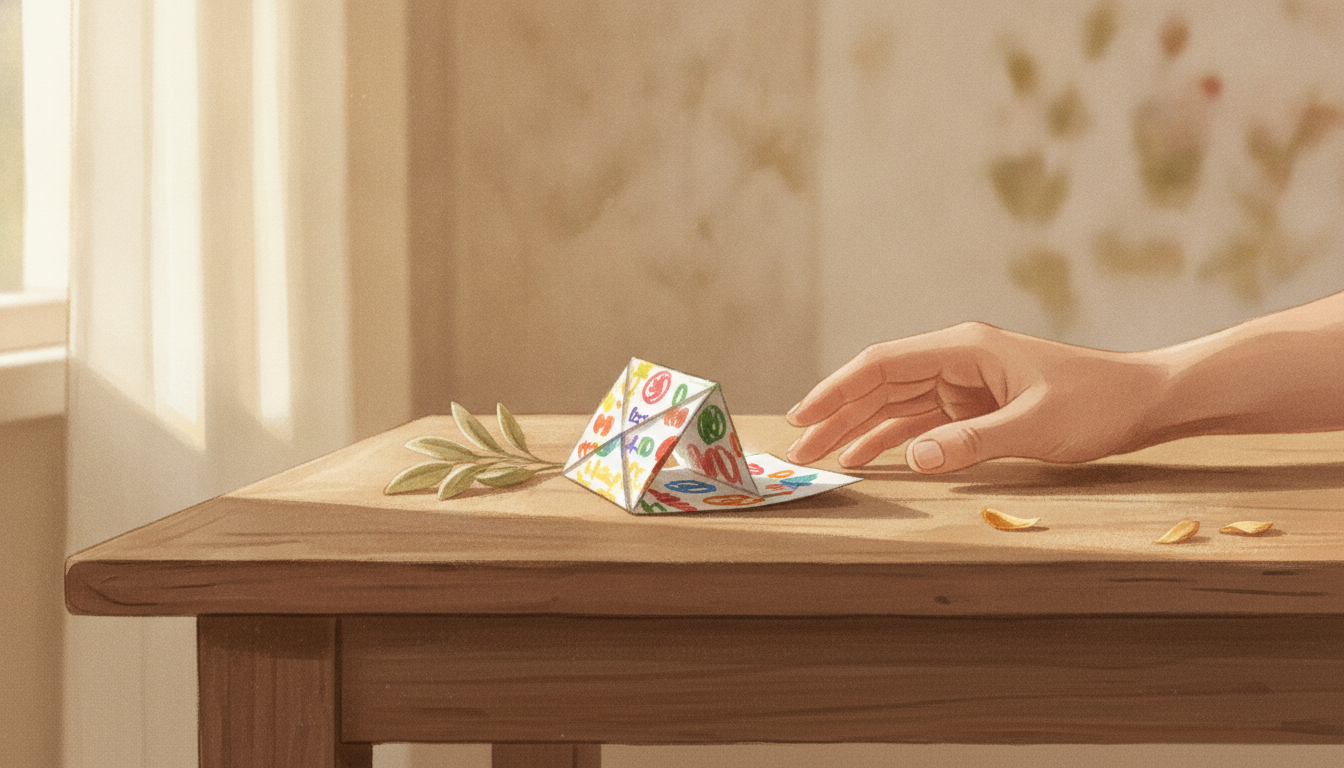
Big emotions got you in trouble — so you learned to make yourself smaller.
You cried too easily. You felt things too deeply. You reacted when other kids seemed fine — and someone, maybe often, told you to stop. To calm down. To be reasonable. To not make such a big deal.
Maybe they said it gently. Maybe they said it with exhaustion. Maybe they didn't say it at all — they just went quiet when you were upset, or changed the subject, or looked at you like your feelings were a problem arriving in the room.
You learned the lesson anyway: big feelings are too much. They make people leave. They make the atmosphere heavy. They make you the difficult one.
So you folded yourself. You cried in the bathroom. You learned to swallow the lump in your throat before it became sound. You became the easy child, the quiet one, the one who didn't need much — or you became the performer of fine, smiling through the ache because showing it cost too much.
The sensitivity didn't disappear. It went underground.
The child who learned to edit
Before you had language for it, you were reading the room.
You noticed when your sadness made the adults uncomfortable. When your anger was met with dismissal or punishment. When your joy was too loud, too long, too much for the mood of the house. When your fear was called silly, or your excitement was told to wait, or your tears were treated like an inconvenience someone else had to manage.
You weren't too sensitive. You were perceptive — in an environment that didn't have room for what you perceived.
So you edited. Not because you were weak, but because editing worked. It kept the evening going. It kept people from withdrawing. It kept you from being the reason things got hard.
You didn't become quiet because your feelings were wrong. You became quiet because your feelings weren't welcome — and a child will choose belonging over honesty almost every time.
What "too much" actually meant
When someone told you your feelings were too much, they rarely meant your emotions were invalid. They meant your emotions were inconvenient. Overwhelming. More than they had capacity for.
That distinction matters now, even if it couldn't matter then.
The adult who said stop crying might have been exhausted, untrained, carrying their own unprocessed history. The sibling who mocked your sensitivity might have learned that mocking was safer than being vulnerable themselves. The culture that praised stoicism might have offered no model for feeling openly without shame.
None of that makes what happened to you okay. It just means the message you're too much was often about their limits — and you received it as a final word on your worth.
You might still carry that word. In friendships where you apologize for having needs. In relationships where you minimize hurt because naming it feels like starting a fire. In moments where your chest fills with something large and your first instinct is still to make it smaller before anyone notices.
The cost of making yourself fit
When you spend years compressing your emotional range, something gets lost.
You might struggle to know what you feel until it's enormous — because the early signals were trained out of you. You might cry at a commercial and not at the funeral, because direct grief was too loaded and the commercial offered a safe door. You might feel numb when you expected to feel devastated, or devastated by something that looks small from the outside.
You might also notice that you're incredibly attuned to other people's feelings. You read faces. You adjust before they ask. You know when the mood shifts — because you had to know, early, to survive in rooms where your own feelings were the problem.
That attunement is a skill. It was also a price.

The feelings that went nameless
Families teach an emotional curriculum — often without saying a word.
Some feelings were allowed: happiness when it was quiet, gratitude when it was convenient, anger when it was directed at the right target. Other feelings were skipped: grief that lasted too long, need that felt greedy, disappointment that sounded like ingratitude, fear that seemed irrational.
The skipped feelings didn't vanish. They lost their names. They became stomachaches, tension headaches, a chronic sense that something was wrong with you for feeling what you felt.
You might still not have words for what moves through you. You might call sadness tiredness, call anger stress, call loneliness fine. Not because you're dishonest — because nobody taught you the original vocabulary.
Being told you were too much didn't make you feel less. It made you feel alone with what you felt.
When the old rule meets the adult world
You're not in that house anymore. But the rule might still run.
You might notice it when someone you love says you're overreacting — and your whole body flinches, not because they're wrong, but because the words land on an old wound. You might notice it when you feel something rise and immediately start editing, before you've even decided whether the feeling is true.
The adult world has more room than the childhood room did. Some people in your life can hold your feelings without making you smaller. Some can't — and learning the difference is slow, unglamorous work.
You don't have to perform fine for people who haven't shown they can hold your honesty. You also don't have to flood every room with everything you've been holding. Both extremes are old strategies. The middle — feeling what you feel, naming it when it's safe, letting some of it stay private when it isn't — is something you get to learn now, at your own pace.
What returning to yourself might look like
This isn't about becoming louder. It isn't about forcing every feeling into every conversation.
It might look like noticing when you automatically shrink — and pausing, just once, before you do. It might look like telling one safe person, I was told my feelings were too much, and I think I'm still believing that. It might look like crying in your car and not calling yourself ridiculous afterward.
It might look like letting a feeling finish instead of cutting it off mid-crest — not everywhere, not with everyone, but somewhere, with someone, or alone, where the cost isn't belonging.
Your sensitivity was never the problem. The room was too small. You have more room now — not everywhere, not all at once, but enough to begin unfolding what you learned to fold.
The drawing is still on the table. It was folded small for a long time. The colors didn't fade — they were waiting. Morning light moves across the paper. You unfold it a little more, not because someone asked, but because the room is finally big enough.
Related book
It Started Before You Remember
Keep reading
- What it means to feel less alone — even by one personYou don't need a crowd. You need one person who stays when things aren't pretty.
- Why the people who get you don't always get you right awayReal belonging takes time. The instant click is rare. The slow build is where trust lives.
- The exhaustion of performing connection without feeling itYou showed up. You smiled. You asked questions. And you drove home feeling emptier than before.