The peacekeeper role you didn't choose
You learned to smooth things over — even when you were the one hurting. The childhood role of keeping everyone calm, and what it cost you.
By Trupti Gavit
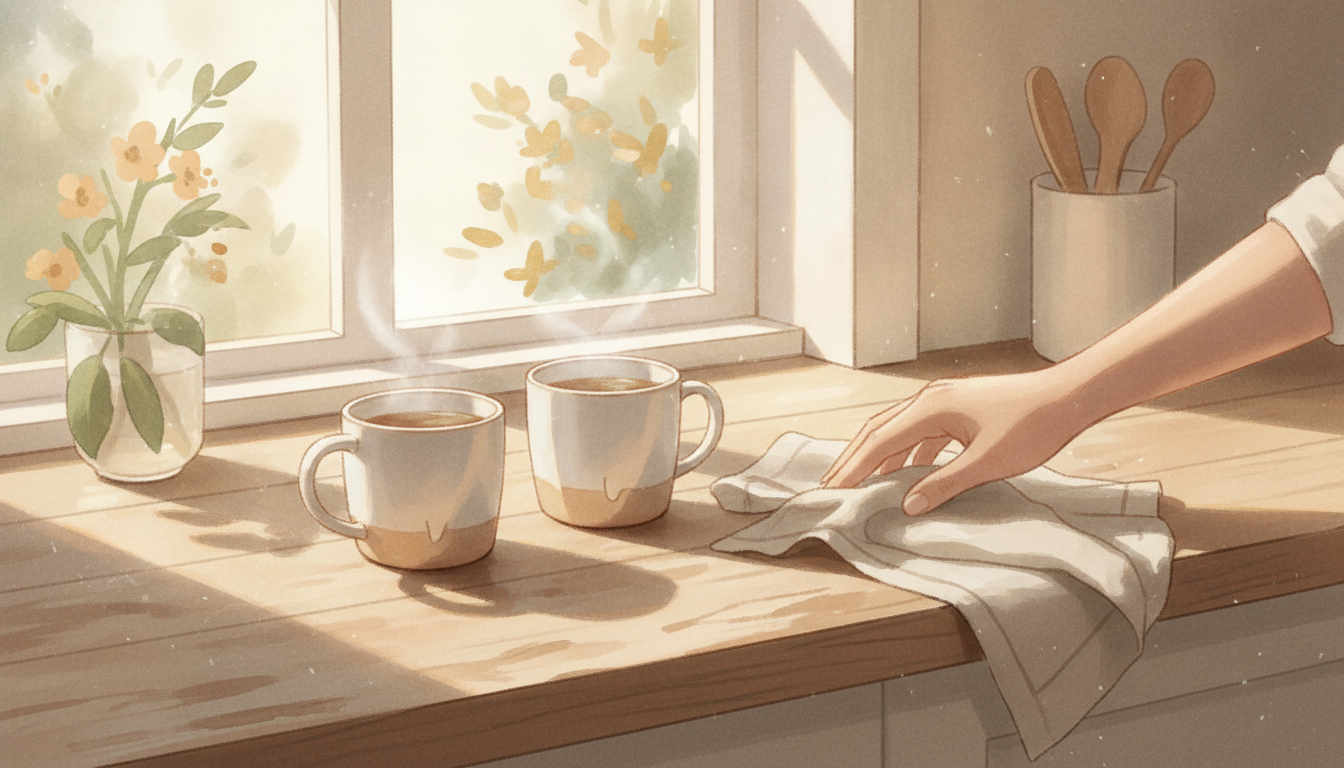
You learned to smooth things over — even when you were the one hurting.
You were the one who changed the subject when the tension rose. Who made the joke when the silence got heavy. Who told the smaller person it was fine when it wasn't fine, because someone needed to keep the evening going and that someone was you.
You absorbed the mood. Adjusted the temperature. Found the words that would make it okay again — or okay enough — even when you were the one who needed tending. Even when your chest was tight and your eyes burned and some part of you was screaming for someone to notice that you weren't okay either.
You didn't choose this role. It chose you — the way roles do in families where peace was fragile and someone had to protect it.
When keeping peace was survival
In some homes, calm wasn't the default. It was something that had to be maintained — carefully, constantly, by whoever was sensitive enough to feel the shift coming.
You might have been that child. The one who heard the tone change before the argument started. The one who knew which topics to avoid, which sibling to distract, which parent to lighten up before the evening curdled. The one who became good at reading faces, lowering volume, making yourself easy.
Peacekeeping wasn't a personality trait. It was a job — unpaid, unnamed, and often invisible. You did it because the alternative felt dangerous. Because raised voices meant something worse was coming. Because when the house was calm, you could breathe, and when it wasn't, you couldn't — so you learned to help the house breathe.
You didn't become a peacekeeper because you loved harmony more than other people. You became one because harmony was sometimes the only version of safety you could reach.
The peacekeeper who wasn't allowed to break
There's a particular loneliness in being the one who holds everyone else together while falling apart quietly.
You comforted your parent when they were sad, even when you were sadder. You mediated between siblings when you were the one who needed someone to mediate for you. You said it's okay when it wasn't, because saying otherwise felt like throwing a match into a room full of dry air.
Your pain learned to wait. To speak softly. To arrive only when the house was empty or the door was closed or you were old enough to call a friend who wouldn't tell anyone.
You might still do this now. You might be the friend everyone calls when things get hard — and the last person to mention when you're struggling. You might smooth over the tension in your relationship before your partner even knows there was tension. You might say I'm fine with such conviction that people believe you, because you've been practicing that sentence since you were small.

What peacekeeping cost you
When you spend years keeping peace for others, you might lose track of what you actually feel.
Anger gets buried because anger makes things worse. Grief gets postponed because grief needs a room that isn't already heavy. Needs get translated into requests for other people because asking directly feels selfish — or dangerous.
You might not know what you want. You might agree too quickly. You might feel a flash of resentment you immediately shame yourself for, because good peacekeepers don't resent, don't want, don't make things harder.
But the resentment is information. It's the part of you that wasn't allowed to take up space — still there, still waiting, still wondering when someone will ask how you are and mean it enough to stay for the answer.
You can be someone who loves calm and still have needed someone to ask if you were okay. Both were true. Only one got airtime.
When smoothing becomes automatic
The peacekeeper role doesn't always end when you leave the house you grew up in.
It follows you into friendships, partnerships, workplaces. You still read the room first. You still feel responsible for the atmosphere. You still swallow the honest thing because the honest thing might unsettle someone — and unsettling someone still feels like failure, even when you're an adult and the stakes are different.
You might not even notice you're doing it. The adjustment is so fast, so practiced, that smoothing feels like being a good person rather than playing a role you were assigned before you had words for it.
Noticing is slow work. It starts with small moments — the sentence you didn't say, the feeling you edited, the I'm fine that left your mouth before you checked whether it was true.
Letting the role soften without abandoning who you are
You don't have to become someone who creates conflict to stop being the only one who prevents it.
Your capacity for calm is real. Your sensitivity to other people's feelings is a gift — one that has probably made you a thoughtful friend, a perceptive partner, someone who shows up with quiet understanding.
But the gift works better when your own feelings get a seat at the table. When you can say I'm not okay without the room falling apart. When someone else's discomfort isn't automatically your emergency.
That might feel selfish at first. Your body might panic when you don't smooth — as if the old house is still listening, still waiting for you to make it okay.
It helps to go slowly. You might start by telling one person one true thing — not the whole history, just a single honest sentence. I'm actually not fine today. That hurt my feelings. I need a minute.
You might notice the room doesn't collapse. That people stay. That the peace you were protecting wasn't as fragile as you were taught to believe — or that if it is fragile, it wasn't yours to hold alone.
Peace isn't always your job to maintain. Sometimes it's your turn to be the one who doesn't have to hold everything together.
The child who kept everyone smiling
Somewhere in you, there's still the child who drew everyone smiling. Who learned that their own tears would make things worse. Who became skilled at comfort, at distraction, at making the room breathe again.
That child was resourceful. They loved the people around them. They did what the environment asked.
They also needed someone to ask about their drawing — not the one where everyone smiles, but the one they didn't show. The one where someone is crying in the corner. The one where the house is quiet in a way that isn't peaceful.
You can honor the peacekeeper without staying in the role forever. You can thank the part of you that kept things together — and still give that part room to rest.
The mugs are still on the counter. The napkin is straight. The morning light hasn't changed — but somewhere beneath the habit of smoothing, something quieter is waiting. Not to disrupt the peace. Just to finally be part of it.
Related book
It Started Before You Remember
Keep reading
- What it means to feel less alone — even by one personYou don't need a crowd. You need one person who stays when things aren't pretty.
- Why the people who get you don't always get you right awayReal belonging takes time. The instant click is rare. The slow build is where trust lives.
- The exhaustion of performing connection without feeling itYou showed up. You smiled. You asked questions. And you drove home feeling emptier than before.