Why you still wait to be picked
Waiting for someone to choose you feels safer than choosing yourself. The childhood pattern of holding still until you're selected — and what it costs when you're the one who has to decide.
By Trupti Gavit
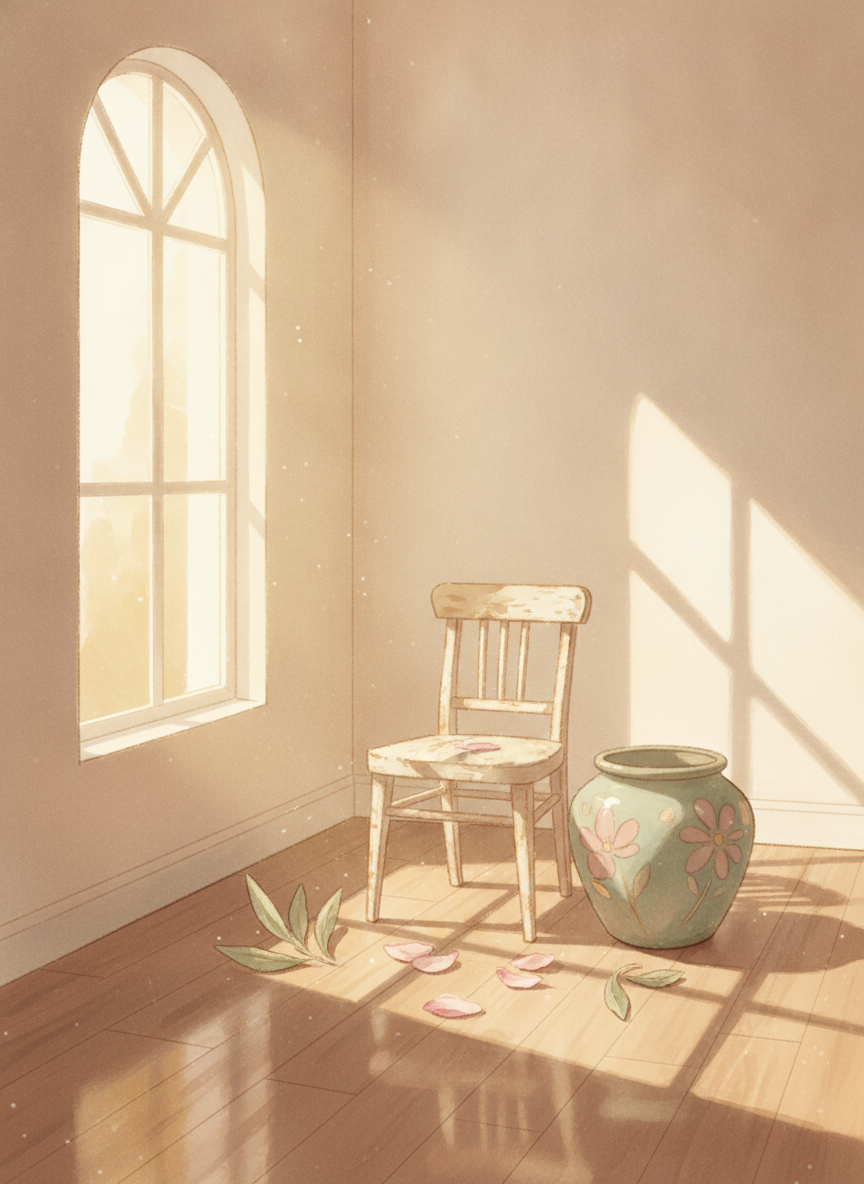
Waiting for someone to choose you feels safer than choosing yourself.
You know what you want — the job, the move, the conversation, the person. You can feel it in your chest, clear and specific. But instead of moving toward it, you wait. You wait to be invited. You wait to be asked. You wait for a sign that it's okay to want what you want — that someone with authority, or affection, or simply more certainty will look at you and say yes, you.
The wanting stays real. The moving stays paused.
You tell yourself you're being patient. Considerate. That good things come to people who don't force them. And some of that might be true. But underneath the waiting, there's often something older — a child who learned that choosing yourself was risky, and being chosen was how you got to belong.
When being picked was how you survived
In some childhoods, agency wasn't really on the table.
You didn't choose your family, your school, your room at the table. You were placed. Selected for teams — or not. Called on — or overlooked. Picked up on time — or left waiting on the curb with your backpack, watching other cars arrive.
Being chosen felt like oxygen. Not being chosen felt like something worse than disappointment — it felt like evidence that you weren't quite essential. That your presence was conditional on someone else's decision.
So you learned to make yourself pickable. Easy to select. Not too much trouble. The kind of kid who didn't require a hard choice — who fit, who smiled, who didn't make the adult pause and reconsider.
Waiting to be chosen wasn't passivity. It was intelligence — a way of staying safe in rooms where your own wanting didn't count for much.
The adult who still holds still
The pattern doesn't always end when you grow up.
You might wait for your partner to suggest the thing you've wanted for months. You might hold back on applying until someone encourages you. You might stay in a friendship that has gone quiet, hoping they'll reach out first — not because you don't care, but because their reach would mean you mattered enough to come back for.
Choosing yourself can feel arrogant. Presumptuous. Like taking up space you haven't been granted.
Your body might brace at the thought of initiating — as if wanting out loud, moving first, saying I'd like this is the same as demanding something you hadn't been offered. As if the old rule still applies: wait until you're selected, and then you can want without guilt.
What waiting protects you from
There's a quiet logic to holding still.
If you choose yourself and it doesn't work out, the disappointment is yours alone. If you wait and aren't picked, you can tell a gentler story — they didn't see you, the timing was wrong, it wasn't meant to be. The rejection stays external. You don't have to sit with the particular ache of having wanted something clearly and not received it.
Waiting also protects you from being too much. From wanting visibly. From the risk that your desire will change how someone sees you — that they'll recalculate whether you're easy, whether you're low-maintenance, whether you're the kind of person who can be counted on not to need things.

But protection has a cost. While you wait to be picked, life keeps moving. Opportunities pass. Relationships stay at the surface. The thing you want stays on the other side of someone else's decision — and you remain, in a sense, back in that hallway, chair pulled out, watching the door.
When both things are true
You can understand why you wait and still feel tired of waiting. Both can be true.
You can love the people you're waiting for and still notice that the waiting is costing you something — time, clarity, the quiet resentment of wanting without moving. You can know, in one part of you, that choosing is possible, and feel, in another part, that choosing still isn't safe.
That split isn't weakness. It's memory — your body remembering rooms where initiative was punished, where wanting first meant being too much, where the safest move was to hold still and hope someone noticed.
You can be someone who waits out of old wisdom and still be someone who is ready to stop. Neither truth has to cancel the other.
Small moments of choosing
Choosing yourself doesn't have to look dramatic.
It might look like sending the email without waiting for an invitation that may never come. Like saying I'd like to go there instead of Whatever you want. Like reaching out to the friend who went quiet — not because you have to, but because you miss them and you're tired of letting silence decide for you.
It might look like applying before you feel ready. Like naming what you want in a conversation where you've always deferred. Like noticing the pause before you speak and, just once, letting the honest want come through without softening it into a question.
Your body might panic. The old hallway might feel close — as if choosing yourself will bring the old consequence: being too much, being overlooked, being the one who wanted and wasn't met.
Sometimes nothing bad happens. Sometimes the room stays warm. Sometimes the person says yes, or meets you halfway, or is relieved you said it first because they were waiting too.
Sometimes they don't. And that's its own kind of information — not about whether you were wrong to choose, but about whether this particular room is one where your wanting can breathe.
The child still in the hallway
Somewhere in you, there's still the child who learned to wait.
Who made themselves easy to pick. Who watched the door. Who became skilled at wanting quietly, at not taking up too much space with their preferences, at reading faces for signs that they might be selected.
That child was perceptive. They read the room accurately. They did what the environment asked.
They also wanted things — specific things — and often had to hold those wants alone, without anyone asking what they would choose if the choosing were theirs.
Being pickable kept you included. Being choosable — by yourself, for yourself — is a different kind of belonging, and it starts in small ordinary moments when you move first.
You don't have to stop wanting to be chosen. Being wanted, being selected, being someone's clear yes — that's a real human hunger, and it doesn't disappear because you learn to choose yourself.
But you might stop making it the only way in. You might let your own yes count for something — not as a replacement for being picked, but as a parallel path. One where you don't have to hold still in the hallway forever, waiting for a door to open from the outside.
The chair is still in the hallway. The light has moved — softer now, closer to evening. No one has called your name. But the door isn't locked from the inside, and somewhere beneath the habit of holding still, something is ready to stand up, walk forward, and choose a direction — not because someone finally picked you, but because you finally did.
Related book
It Started Before You Remember
Keep reading
- What it means to feel less alone — even by one personYou don't need a crowd. You need one person who stays when things aren't pretty.
- Why the people who get you don't always get you right awayReal belonging takes time. The instant click is rare. The slow build is where trust lives.
- The exhaustion of performing connection without feeling itYou showed up. You smiled. You asked questions. And you drove home feeling emptier than before.